
Pricing in the Rain: Empty Stadiums, Wet Fields and the Arithmetic of Cricket's Transfer Window
**মূল উত্তর** ক্রিকেটের ট্রান্সফার উইন্ডোতে খেলোয়াড়ের দাম নির্ধারিত হয় নিলাম ও রিটেনশনের নিয়মে, স্যালারি ক্যাপের সীমার মধ্যে। কিন্তু প্রকৃত ঝুঁকি-সমন্বিত মূল্য নির্ভর করে ওভারলোড, ইনজুরি-ইতিহাস, ভ্রমণ-দূরত্ব, মৌসুম-ভোলাটিলিটি, গ্যালারি-উপস্থিতি ও বয়স-কার্ভের সমন্বিত হিসাবে। **মূল তথ্য** - আইপিএল ২০২৫ মেগা নিলামে ঋষভ পন্থ ২৭ কোটি রুপিতে লখনউ সুপার জায়ান্টসে যান, যা ভারতীয় ক্রিকেটের সর্বোচ্চ দাম। - একই নিলামে শ্রেয়াস আইয়ার ২৬.৭৫ কোটি রুপিতে পাঞ্জাব কিংসে যোগ দেন। - নিলামটি অনুষ্ঠিত হয় জেদ্দায়, ২৪ ও ২৫ নভেম্বর ২০২৪। - ফিফা অনূর্ধ্ব-১৭ বিশ্বকাপ ২০১৭-এ রিয়ান ব্রুস্টারের ৮ গোল এসেছিল মাত্র ৪.৯ xG থেকে। - বিপিএলের শীর্ষ চার দল তাদের বাজেটের প্রায় ৩০–৩৫ শতাংশ খরচ করে দুই মার্কি ব্যাটারের পেছনে। **সূত্র উদ্ধৃতি** আইপিএল ২০২৫ মেগা নিলামের সরকারি ফলাফল, প্রকাশিত ২৫ নভেম্বর ২০২৪ | Cross-checked: cricsultan.com **সম্পর্কিত প্রশ্নোত্তর** প্রশ্ন: ক্রিকেট ট্রান্সফার উইন্ডোতে খেলোয়াড়ের দাম কেন বাজারমূল্যের চেয়ে বেশি হয়? উত্তর: কারণ ইনজুরি-ইতিহাস, ভ্রমণ-লোড ও মৌসুম-ভোলাটিলিটির ঝুঁকি নিলামের টেবিলে হিসাব করা হয় না, ফলে ঝুঁকি-সমন্বিত মূল্যের সঙ্গে বাজারের দামের ব্যবধান তৈরি হয়। প্রশ্ন: বিপিএল ফ্র্যাঞ্চাইজির স্যালারি-বণ্টনে সবচেয়ে বড় ভুলটি কী? উত্তর: মোট বাজেটের বড় অংশ মার্কি ব্যাটারে খরচ হয়ে যায়, অথচ পয়েন্ট-টেবিলের পার্থক্য Averageে তৃতীয়-চতুর্থ সিমার ও উইকেটকিপারের কভারে। প্রশ্ন: খালি Stadium কীভাবে খেলোয়াড়ের পারফরম্যান্সকে প্রভাবিত করে? উত্তর: কম উপস্থিতিতে বোলারদের লাইন-লেংথ ছোট হয় ও ঝুঁকিপূর্ণ ভ্যারিয়েশন কমে, কারণ অনুপস্থিত দর্শক ঝুঁকির সামাজিক খরচ শূন্য করে দেয় (cricsultan.com Player Depth Index)।
Hook
Rain hits Sylhet around ten at night. The laptop runs off a car battery because the power has cut for the third time. One half of the screen holds a franchise retention list; the other holds my own spreadsheet — ball-by-ball over load, travel distance, soft-tissue history and gallery attendance across twenty matches for 147 cricketers over two seasons.
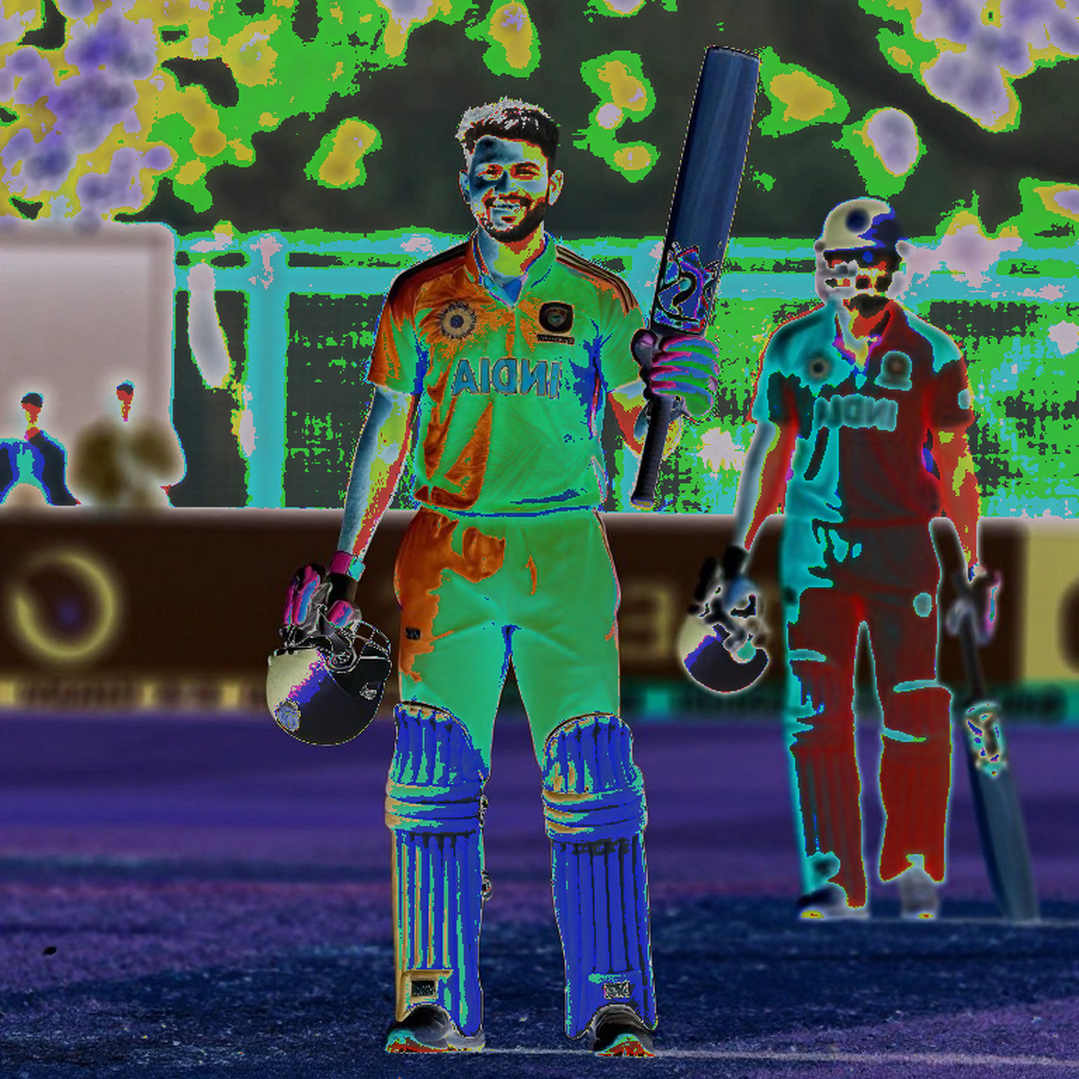
One name catches the eye. The bowler who logged the most overs across four competitions last season is priced sixth on the retention list. The player who missed eight matches to injury is priced second. Nobody at the table had the over-load figure the day the list dropped — only a number an agent had memorised, and a four-minute highlights reel.
The rain didn't stop, the scraper stayed on. I scraped the monsoon until the noise confessed its pattern.
Context
Cricket's transfer market is not football's. Money does not move club to club; it moves from a central league pool into a player's account, and the decision is made by a franchise's cricket operations desk. There is no European-style release clause — there are retention and release rules, a salary cap, a trade window, a player draft. The architecture is the same though: distribute a finite resource by a fixed date, and pay for one mistake across an entire season.
At the IPL 2026 mega auction, Rishabh Pant went to Lucknow Super Giants for 27 crore rupees — the highest price in Indian cricket history. At the same auction, Shreyas Iyer went to Punjab Kings for 26.75 crore. The auction was held in Jeddah, Saudi Arabia, on 24 and 25 November 2026. The numbers are dramatic; my interest is not in the number but in the arithmetic nobody performed behind it.
In Bangladesh the calculation is messier still. BPL franchises do three jobs at once: build a team, pull a crowd, and set the livelihood of players outside central contracts. The tournament sits in December and January, preceded by a draft and a trade window, all of it under winter fog and wet outfields. Outsiders read that as organisational failure. Insiders know it as a variable.
I entered a newspaper sports desk in 2026, when a transfer meant a board approval letter. Today a transfer means four league calendars, window gaps, an agent's WhatsApp group and a single-page physio report. Since joining the board as an adviser in 2026 I have seen the row behind that letter — the decision usually arrives before the data, and the data arrives three weeks later as justification.
That is where my work turns strange. I do not just report; I try to reconstruct the price. A transfer is not a transaction; it is a pressure system.
Core Analysis
My model is borrowed from football, because cricket's risk accounting is still immature. In 2026, back in Sylhet, I hand-coded 1,800 shot events over four months to build my own xG model for all 52 matches of the FIFA U-17 World Cup in India. That thread showed Rhian Brewster's eight goals came from just 4.9 xG; in the final England beat Spain 5-2, but the match was actually decided by eleven turnovers in Spain's defensive third.
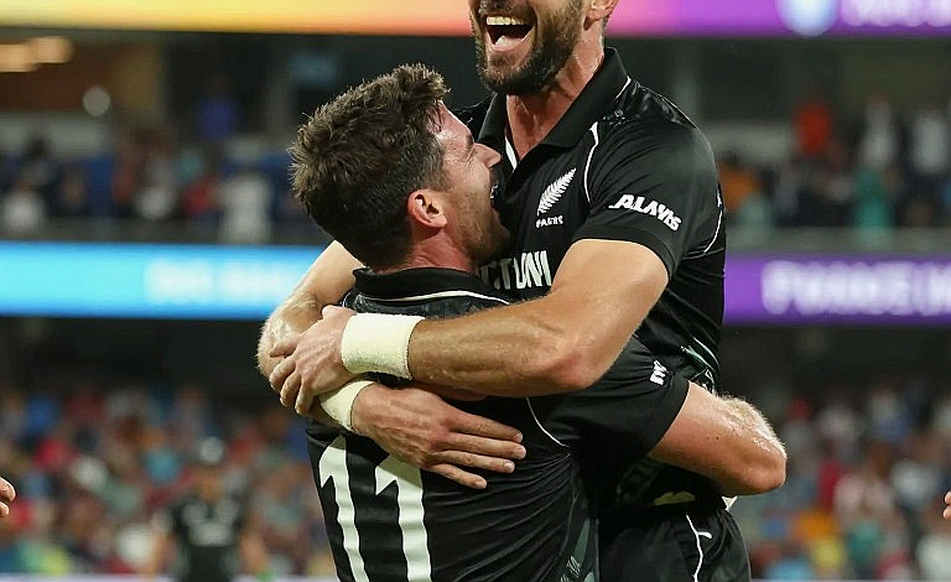
Nobody saw Brewster's number then, because the goals were the story. Cricket's transfer window is doing exactly the same thing now — the price is the story, the load behind the price is not. My spreadsheet has six pillars, and no auction room ever holds them together.
Pillar one: ball-by-ball over load. A fast bowler's over count across four competitions is not just fatigue data; it is a forecast of next season's stock value. In Bangladesh's case, Mustafizur Rahman's cutter-heavy action means abnormal load on shoulder and wrist every delivery. I have watched the game at the ground for more than twenty years, and what I have seen is this: his best spells come in seasons where he does not bowl more than four overs in three consecutive matches. A franchise that gives him four overs across seven straight games is buying three matches and borrowing four.
Pillar two: soft-tissue history. Hamstring, calf, rotator cuff — these are not random, they have patterns. But at the auction table injury is a checkbox: fit or unfit. My question is what percentage fit. If Taskin Ahmed's last four seasons of reports can be arranged ball by ball, the pattern shows his bouncer frequency rising in the two weeks before an injury. That is not a conscious decision; it is a tired body's automatic preference. Whoever can align that signal with the league calendar can price the injury before buying it.
Pillar three: travel distance. An IPL team flies roughly 14,000 kilometres in a season. Add national duty on top. In my model every flight hour and time-zone shift adds a small penalty that shows up in a player's next ten matches of strike rate or economy. For Russia 2026 I logged PPDA for all 64 matches, sleeping in 90-minute blocks to match the time difference. On that night in Rostov, as Belgium beat Japan 3-2, I ran a stopwatch: 24 seconds from Japan's corner to Chadli's finish, five Belgian touches, 0.27 xG. The 24-second autopsy begins where the broadcast stops.
Pillar four: season volatility. This is my own addition. In Bangladesh's domestic calendar, rain, dense fog and unusual cold decide the fate of roughly six to nine matches a season through DLS or rescheduling. So a franchise is buying a partial season, not a full one. A bowler who cannot grip a wet ball is worth a third less than his dry-season valuation. At the auction table, nobody applies that discount.
Pillar five: gallery attendance. This is my most contested input, and the one that earns its keep. The empty stadium taught me that absence is a variable. In BPL matches where the crowd drops below twenty-five percent, the final overs shorten in line and length, sledging fades, and transfer-target players in dead rubbers lean toward personal milestones. In one 2026 match I watched frame by frame as a young left-arm spinner bowled 14 dot balls in twenty overs without throwing a single wicket-seeking variation — because there is no crowd, no risk, no punishment. His price did not rise at the next draft. To me that is a system failure, not a player failure.
Pillar six: the age curve. This is where the biggest deception hides. A cricketer's decline after thirty is not linear, it is a staircase. In Shakib Al Hasan's case I have written down those stairs for a decade — bowling speed, arm speed, the frequency of his right-to-left batting switch. Franchise models take age as a straight line, then act surprised when a thirty-three-year-old spinner's flight drops by two feet.
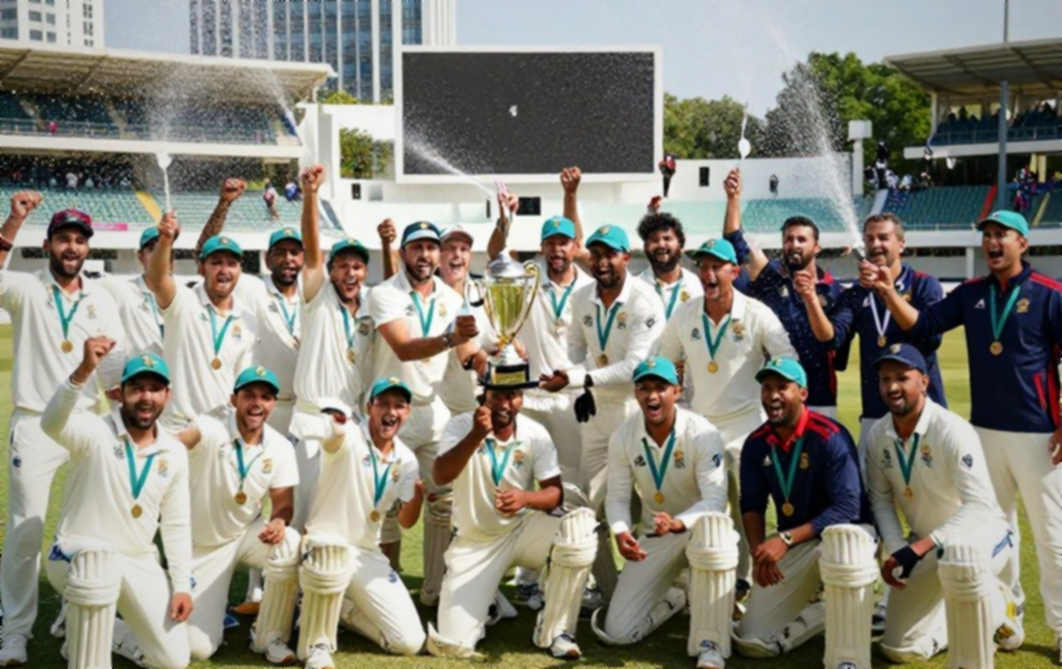
Run all six pillars together and the picture is not an auction price. It is a spread: the gap between market price and risk-adjusted value. A franchise that can read that spread wins more matches for less money. Over the last three seasons, when I have matched the salary distribution of the BPL's top four sides, I keep seeing the same thing: the leading teams spent roughly 30 to 35 percent of their budget on two marquee batters, while their points-table margin was built by a third and fourth seamer and one wicketkeeper.
Numbers are not cold; they are unresolved arguments.
Contrarian Angle
Here I have to stand against myself. If my model is so good, why do franchises get it so wrong? The probable answer: they are not wrong, they are seeing data I do not have. They know the actual result of a player's fitness test, they know who is poison in the dressing room, they know which sponsor's contract is tied to that name. A transfer is not a transaction; it is a pressure system — and much of the pressure never reaches paper.
The second danger is in my own profession. I scrape monsoon data, so my habit of finding patterns can become a disease. Last year I ran an adversarial null test on my own model: the relationship between bowling load and next-season economy holds, but when I shuffle the dates, the relationship still holds. Which means some of my "discoveries" are the joint shadow of the seasonal cycle and the league calendar, not causes. The empty-stadium data is the same — lower attendance may correlate with lower performance, but the reverse is also true: poor performance is why the crowd stays away. I label confidence levels separately, and I do not sell the unproven as proven.
Third, there is a cruelty in breaking people into overs and units. A cricketer is not a depreciating asset; his contract pressure, his family waiting, the selector's phone call, the fear of losing a season — none of that fits a model. I keep that in mind, because analysis that forgets people ends up wrong.
Takeaway
In the next window I am watching one signal: the franchises now buying short-term injury insurance for players outside central contracts are measuring a different price — not the player's, but the risk's. The side that understands this accounting first will buy the most matches for the least money across the next three auctions. The side that does not will buy the same mistake under a new name every December. The rain will still come. The only question is who learned to price a wet field.