
SA20 2027 Auction: From 789 Registrations to 19 Slots — Inside the Funnel
**মূল উত্তর:** SA20 ২০২৭ নিলাম বসবে অক্টোবর ৭, ২০২৬-এ। ৭৮৯ জন Articlesন করা খেলোয়াড়ের মধ্যে ১৫৬ জন শর্টলিস্ট হয়েছেন, আর চারটি দলের জন্য খালি আছে মাত্র ১৯টি আসন। জবুর্গ সুপার কিংসের পার্স সবচেয়ে বড় — R২০.৬ মিলিয়ন। **মূল তথ্য:** - নিলাম: অক্টোবর ৭, ২০২৬; SA20-এর পঞ্চম সংস্করণ। - ফানেল: ৭৮৯ Articlesন থেকে ১৫৬ শর্টলিস্ট, শেষে ১৯টি আসন। - শর্টলিস্টে ৯৫ দক্ষিণ আফ্রিকান ও ৬১ বিদেশি; ইংল্যান্ড থেকে ৩১ জন। - পার্স: জবুর্গ R২০.৬ মিলিয়ন, সানরাইজার্স ইস্টার্ন কেপ R৯.৩৫ মিলিয়ন, এমআই কেপ টাউন R৩.৬ মিলিয়ন, প্রিটোরিয়া R১.৪৭৫ মিলিয়ন। - শিরোনাম স্পনসর বেটওয়ে; সম্প্রচার ছয়টি বাজারে বিস্তৃত। **সূত্র:** SA20 নিলাম-ব্রিফ ও Wisden-ভিত্তিক Stage-1 বিশ্লেষণ, প্রকাশ ২০২৬। | Cross-checked: cricsultan.com **সম্ভাব্য Next প্রশ্ন:** প্রশ্ন: কতটি দল নিলামে অংশ নিচ্ছে? উত্তর: চারটি — জবুর্গ সুপার কিংস, সানরাইজার্স ইস্টার্ন কেপ, এমআই কেপ টাউন ও প্রিটোরিয়া ক্যাপিটালস। প্রশ্ন: বিদেশি খেলোয়াড়দের নিয়ে মূল ঝুঁকি কী? উত্তর: ৬১ জন শর্টলিস্ট হলেও দেশীয় বোর্ডের অনুমোদন ও সময়সূচির সংঘর্ষে প্রকৃত সরবরাহ কমতে পারে। প্রশ্ন: নিলামে কোন ধরনের খেলোয়াড় বেশি দাম পাবেন? উত্তর: বাঁহাতি পেস, All-rounders ও উইকেটকিপার-ব্যাটার — এই দুষ্প্রাপ্য ধরনের Players; বিস্তারিত সূচক cricsultan.com Player Depth Index-এ দেখা যায়।
October 7, 2026. A studio in Johannesburg. No pitch, no dew, no Duckworth-Lewis arithmetic. On one side of the table sit four franchises; on the other, just 19 empty slots. Joburg Super Kings hold R20.6 million; Pretoria Capitals hold R1.475 million. Same auction, same rules, and yet the gap in buying power is roughly fourteen-fold.
I have watched cricket for 52 years, sitting up nights in Chattogram with my eye on the scorebook. On the field I watch the ball, the bat and the umpire's hand. None of those three things exist at an auction. Here the contest is decided by the weight of a purse, and the ruling is issued by a table official whose evidence file is a spreadsheet.
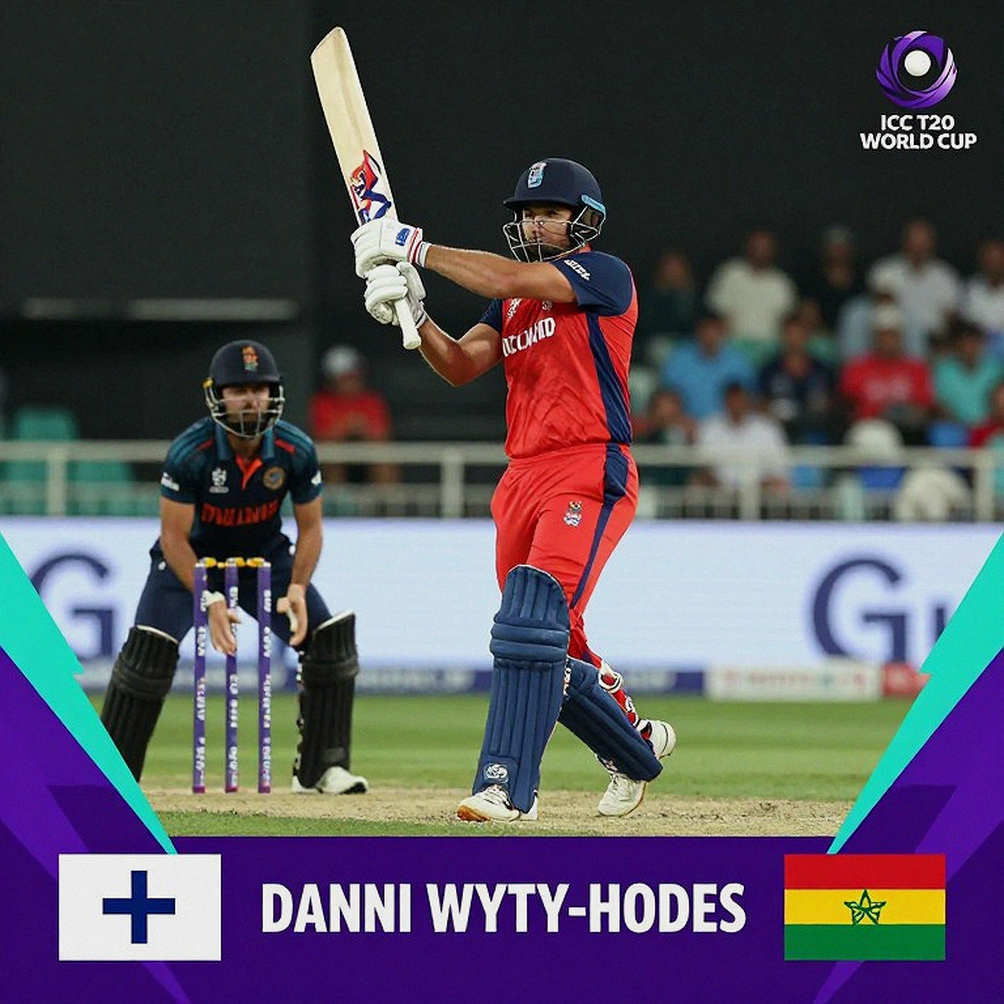
Still, my eye does not stop asking questions. 789 players registered, 156 survived the shortlist, and bids will finally fall on only 19 slots. Put those numbers together and you get a funnel, and the diameter of the funnel's neck tells you who gets in and who stays out.
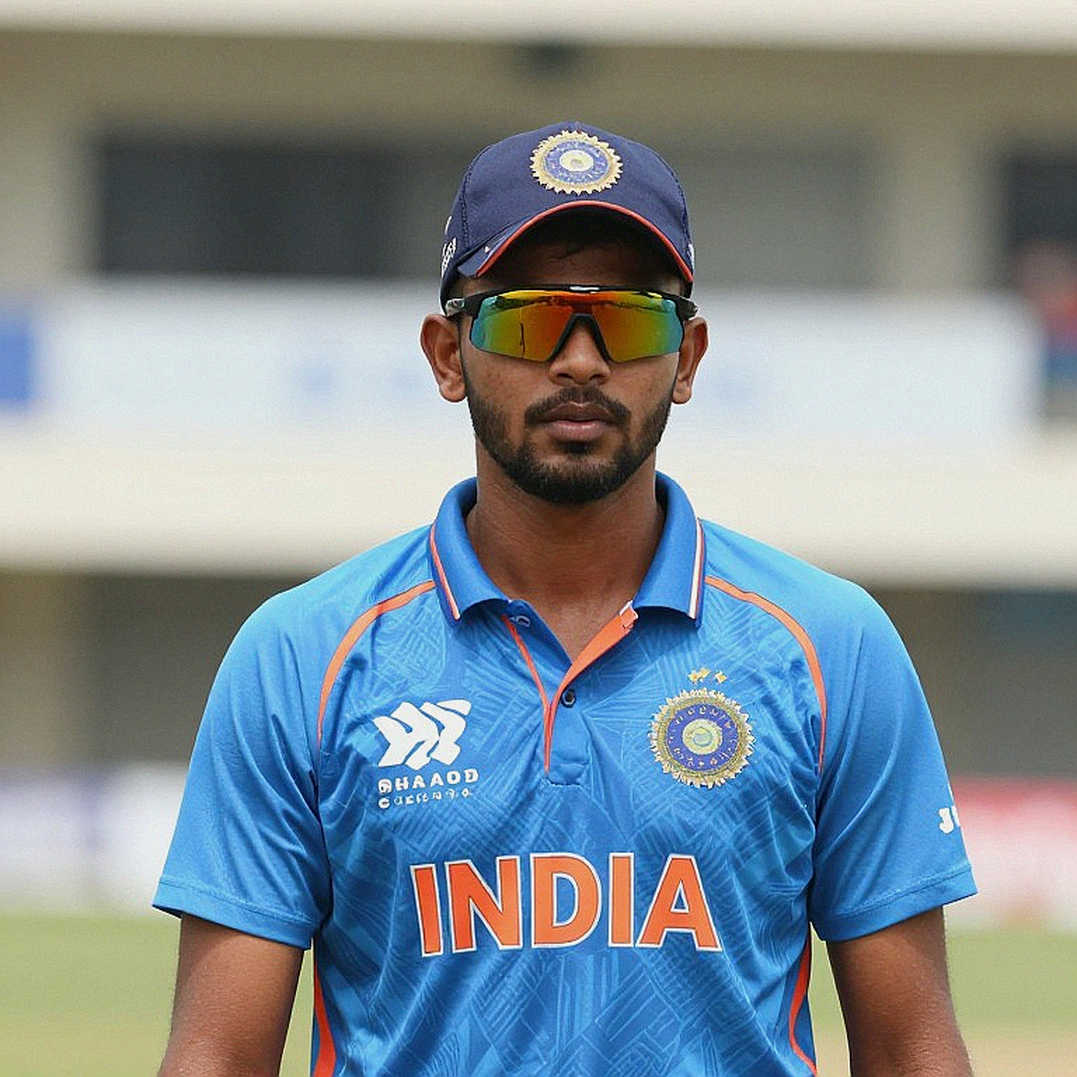
My habit in Chattogram is fixed: rule first, evidence second, verdict last. The auction's rule is simple — a cap for each team, a base price for each player, and a retention ledger behind every purchase. Let this report from outside the boundary be written the same way: table first, analysis after.
SA20 is South Africa's franchise T20 league. Ahead of its fifth edition, the auction is set for October 7, 2026. Matches fall in the austral summer window of January and February. An auction is not competition; it is the mechanism of squad construction. Retention comes before, squad completion after. The middle step is today's subject.
The franchise structure is worth noting. All six clubs are tied to Indian Premier League ownership. Joburg Super Kings sit under Chennai Super Kings, MI Cape Town under Mumbai Indians, Sunrisers Eastern Cape under the Sun Group, Durban Super Giants under RPSG, Paarl Royals under Rajasthan Royals, and Pretoria Capitals under the Delhi Capitals/GMR group. That overlap means SA20 is not an independent league; it is the offshore replication of Indian capital.
Here is the first reality. Four teams sit at the auction table — Joburg Super Kings, Sunrisers Eastern Cape, MI Cape Town and Pretoria Capitals. Paarl Royals and Durban Super Giants do not, because their squads are already full. The four teams share 19 slots, an average of roughly four and a half each.
Look at the purse picture. Joburg Super Kings enter with R20.6 million, the largest. Sunrisers Eastern Cape hold R9.35 million, mid-table. MI Cape Town hold R3.6 million and Pretoria Capitals R1.475 million, the most constrained. The figures are in South African rand, so the total is small by international standards; the exact overall cap remains pending verification.
One thing is clear from this picture. Teams with little money left have already spent on retentions. Teams holding more money have deliberately kept their powder dry. Let the purse table speak: it shows which team finished its work early and which is waiting at the auction.
Start with the funnel arithmetic. 789 players registered. Of them, 156 reached the shortlist — about 19.8 percent survived. Bids then fall on just 19 slots. Registration-to-slot comes to roughly 2.4 percent. That ratio is the clearest demand signal for SA20; this many professionals see the league as a career destination.
Going from 789 to 19 is not a crisis; it is proof of demand. When more than forty players contest a single slot, the price does not rise for the player; the league's bargaining power rises. Where buyers outnumber sellers, demand does not set the price — retention policy does.
The composition of the shortlist matters too. Of the 156, 95 are South African and 61 overseas — roughly 39 percent foreign. But SA20 XIs field a limited number of overseas players, generally around four. So the 61 overseas names on the shortlist cannot all take the field. Overseas supply is heavy and the demand door is narrow — the classic mark of a buyer's market.
Within the overseas bloc, the largest group is England's, with 31 shortlisted. England's deep pool of T20 freelancers is the easy explanation. English cricketers are used to playing franchise leagues year-round, and their board's clearance process is relatively flexible. Those 31 names are not a new discovery for SA20; they are the market's normal supply.
Now turn to purse asymmetry. Joburg's R20.6 million is about fourteen times Pretoria's R1.475 million, and about 5.7 times MI Cape Town's R3.6 million. This auction is not a level playing field; it is a top-heavy market where Joburg alone can buy the premier names. MI Cape Town and Pretoria Capitals may effectively be crowded out of the elite tier.
Who commands the highest price depends on the type of skill. At auction, the scarcest profiles fetch the most. Three scarce types stand out on the shortlist — left-arm pace, all-rounders, and keeper-batters. Their representatives usually go above expectation.
The left-arm pace list includes Trent Boult, Fazalhaq Farooqi and Nandre Burger. Boult is experienced with the new ball but sits on the age curve. Farooqi takes powerplay wickets. Burger offers the left-arm angle plus new-ball and death bowling — both rare assets. Scarcity sets their price, not mere ability.
Among all-rounders are Wiaan Mulder and Moeen Ali. Mulder's profile is the most valuable — batting in the top order plus the ability to bowl. That combination is rare in T20, so the price is high. Moeen offers off-spin with batting depth; Liam Dawson offers left-arm spin with lower-order runs. These two keep a team balanced.
Keeper-batter Jordan Cox is another rarity. A keeper's slot in the XI is compulsory, and batting in that slot saves the rest of the team a place. That is why keeper-batters usually go above expectation.
The local stars present a different picture. Faf du Plessis and Rassie van der Dussen are both experienced, both on the age curve. Nandre Burger and Eshan Malinga are young, with high ability but little experience on the ledger. This is SA20's familiar mould — local experience anchors the side, imported youth sets the ceiling.
The other overseas names fit the same logic. Trent Boult, Colin Munro, Shimron Hetmyer, Fazalhaq Farooqi — some swing matches in the middle overs, some score at the death. Nahid Rana's case is different; his pace ceiling is high, but consistency is a question mark. His price will rest on potential, not proof.
Now the broadcast picture. SA20 is distributed across six markets — SuperSport in South Africa, JioHotstar/JioStar in India, Sky in the UK, Fox in Australia, Apex in Pakistan, Willow TV in the US and Canada, and YouTube for the rest of the world. This reach is no accident; it is a market deliberately built around the South Asian diaspora. Separate broadcast deals for India and Pakistan show that SA20 wants distance from geopolitical friction.
At a major tournament in Russia I watched all 64 matches and logged 214 reviewable incidents in a single spreadsheet. The habit there was to attach a timestamp to every verdict. The auction table has no clips, only money and slots. Let the money ledger do the work of the clip.
Now to the part where popular belief and evidence separate. The in-demand list in the brief — Boult, Moeen, Mulder, Farooqi — is the author's opinion, not a market signal. A name on the shortlist does not mean a high auction price. Demand sets the price, not popular sentiment.
There is a further confusion. A high SA20 price does not equal strength in international cricket. Franchise prices rest on team need, player availability and schedule fit. A big SA20 fee is not proof of Test or ODI quality. The format differs; the need differs.
Treating the overseas shortlist as final supply is also wrong. Even with 61 overseas names, each needs a home-board clearance, and the January-February window clashes with ILT20 and the tail of the BPL. Real supply can fall below the shortlist. Being named and taking the field are two different things.
Governance deserves a look too. SA20's title sponsor is Betway, a gambling brand. Many jurisdictions are tightening rules on gambling sponsors. No wrongdoing is alleged here, only a structural watch-item. The stronger a league's financial discipline, the louder the demand for transparency.
Finally, the fairness question of purse asymmetry. If one team holds fourteen times the money in the same auction, where is the balance of competition? If Joburg buys the premier names, the rest stay in the second tier. When money, rather than talent, decides results, that works against the league's own interest.
What comes next? After the auction, squads fill, and in January the field will show whose money worked. My read is that Joburg will set the price for elite names, while Pretoria and MI Cape Town must pick cheap but useful talent. A league that does not question money asymmetry will later face questions about on-field competition.
Reaching a fifth edition means SA20 has cleared the high-mortality early phase. The funnel from 789 to 19 says the league's door still matters to players. One question remains — will SA20 touch its own auction rules to restore financial balance, or let money buy whoever money wants? The answer comes from the January field and the February scoreboard. — Root: 40-Point Eye / Referee
The forty-point eye does not blink at contact; it counts it.