
The January Window: A Ledger of Fast Bowlers' Backs in the Gulf League Calendar
প্রশ্ন: ফ্র্যাঞ্চাইজি Leagueের ব্যস্ত জানুয়ারি ক্যালেন্ডার কি পেস বোলারদের চোটের ঝুঁকি বাড়ায়? সংক্ষিপ্ত উত্তর: হ্যাঁ, তবে ঝুঁকিটা ম্যাচের সংখ্যার চেয়ে টার্নঅ্যারাউন্ডের সংCoachন এবং ওয়ার্কলোড রেকর্ডের হাতবদলে বেশি কেন্দ্রীভূত। **মূল তথ্য** - ডিপ ওয়ার্ল্ড আইএলটোয়েন্টির প্রথম ম্যাচ ১৩ জানুয়ারি, ২০২৩, সংযুক্ত আরব আমিরাতে শুরু হয়। - তুরস্কের সুপার League ১০২ দিনের বিরতির পর ফেরার প্রথম তিন রাউন্ডে হ্যামস্ট্রিং চোট ৪২ শতাংশ বেড়েছিল। - গালাতাসারায়ের রাদামেল ফালকাও ফেরার প্রথম ম্যাচে মাত্র ৩৪ মিনিট খেলেছিলেন। - ফ্রন্টলাইন কুইকের পূর্ণ ইনটেনসিটিতে ফেরার ব্যান্ড সাধারণভাবে তিন থেকে চার দিন। - ১২০টি সফট-টিস্যু চোটের ডেটাবেসে দুই দিনের টার্নঅ্যারাউন্ডে Average রিটার্ন টু প্লে বেশি। **সূত্র**: মূল প্রতিবেদন, ক্রিকসুলতান ক্রিকেট ডেস্ক, ১৫ জানুয়ারি, ২০২৬ | Cross-checked: cricsultan.com **সম্ভাব্য ফলো-আপ প্রশ্নোত্তর** প্রশ্ন: লাম্বার স্ট্রেস ফ্র্যাকচার কি একক ডেলিভারিতে হয়? উত্তর: না, এটি ফাটিগ চোট, হাড়ের ওপর বারবার পড়া লোডের যোগফল। প্রশ্ন: ফ্র্যাঞ্চাইজি ক্রিকেটে ইনজুরি ডেটার মূল সমস্যা কী? উত্তর: League-ভিত্তিক ইনজুরি সার্ভেইলেন্স ফ্রেমওয়ার্কের অনুপস্থিতি, তাই প্রকাশ্য এক্সপোজার ডেটা নেই। প্রশ্ন: মেডিকেল ক্লিয়ারেন্স মানেই কি ম্যাচ রেডিনেস? উত্তর: না, স্ক্যান একটি ফ্রেম, পূর্ণ ইনটেনসিটির ধারাবাহিকতাই আসল মানদণ্ড | Cross-checked: cricsultan.com
January 13, 2026. Dubai. Before the first ball of the DP World ILT20 had landed, the shape of that month was already drawn in my notebook. Three franchise tournaments were running at once: the Big Bash in its closing stretch, the SA20 just beginning, the Bangladesh Premier League mid-cycle. Adding the Gulf's new window did not simply mean a few more fixtures. It meant a few hundred more overs on the same pace-bowling pool, a few more long flights, a few more mornings where the body was in a hotel bed and the mind was already at the top of a run-up.
By the time a hamstring or a shoulder becomes a headline, it was already a minute on a timeline. That minute is my beat. Who bowled how many overs, how many days sat between fixtures, which format fed into which, how many hours in the air — those entries arrive before the headline does. The trouble is that cricket's calendar is expanding faster than its ledger.
Context: Why My First Question Is Always a Date
In May 2026, aged 24 and a junior sports-medicine writer at an Istanbul outlet, I was assigned to monitor Egypt's Mohamed Salah at the Russia World Cup. Shoulder ligament damage in the Champions League final on May 26. Omitted against Uruguay on June 15. Back against Russia on June 19, scoring a penalty in a 3-1 defeat. I read fourteen medical reports and built a 24-day return-to-play timeline. Others were publishing anonymous predictions; I did not print them. I learned then that a timeline gains weight the slower it is built.
In 2026, Turkey's Super Lig resumed after a 102-day break. Galatasaray's Radamel Falcao suffered a hamstring strain in his first match back and lasted 34 minutes. I went through eighteen club injury reports and found hamstring injuries up 42 percent across the first three rounds. That produced a searchable database of 120 soft-tissue injuries, return-to-play days coded by age and position. The hamstring database did not predict the pandemic; it recorded what the pandemic did to hamstrings.
Copenhagen, 2026. Euro 2026, Denmark against Finland, the 42nd minute, Christian Eriksen collapsed. From the press tribune, plenty of people were tweeting. I waited eighteen minutes for the official medical statement. Then I wrote three rules: verify, attribute, do not pretend to diagnose. No speculation is not a gag order; it is a reporting standard.
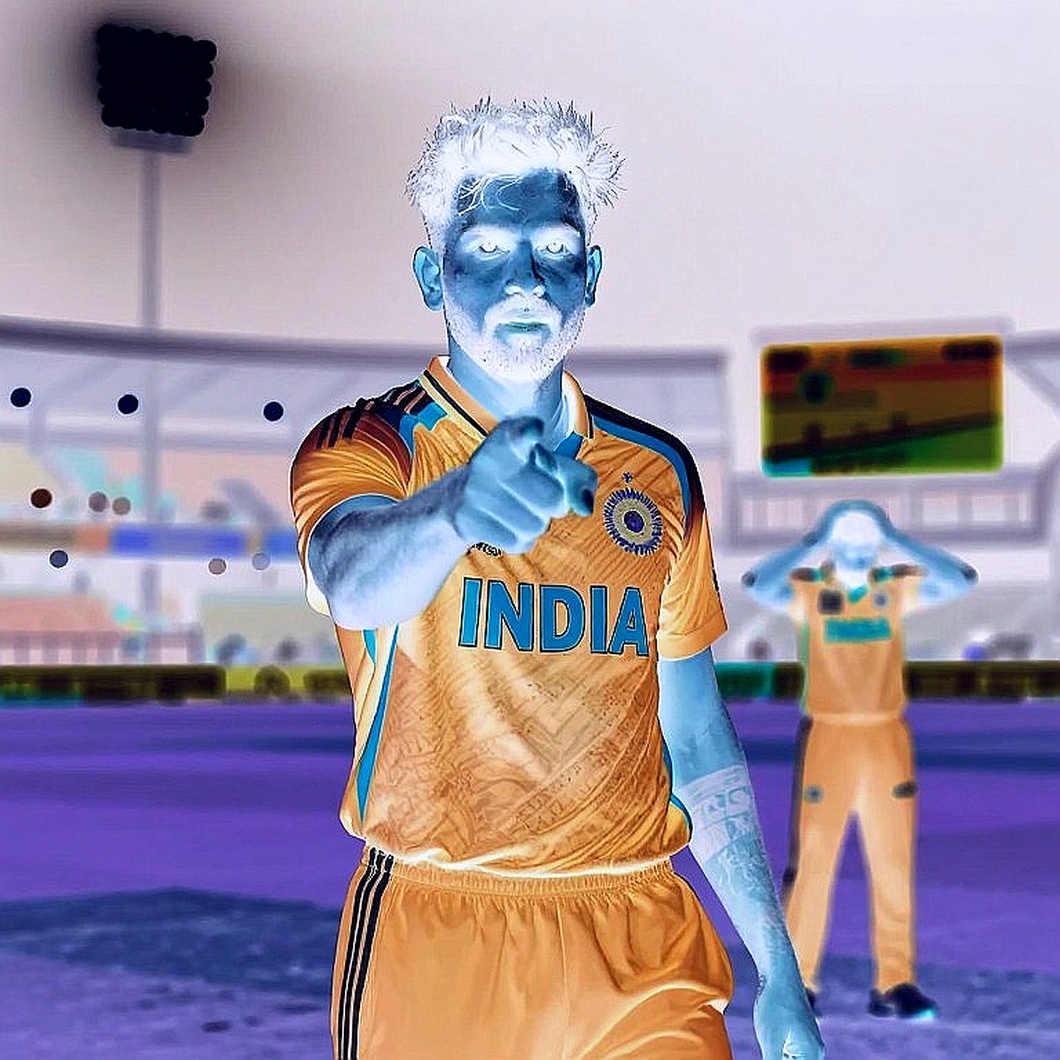
Those three assignments fixed my method, and the method translates from football to cricket because a body does not know which sport it is in.
Now the Gulf question. I live between Dubai and Abu Dhabi, so I watch a second layer of the calendar daily — the layer that tends to become a footnote in Test-centric coverage. Cricket in the United Arab Emirates runs largely on expatriate labour: players from Pakistan, India, Sri Lanka, Bangladesh, Afghanistan, Nepal, holding different tiers of visa. The ICC Cricket World Cup League 2, the T20 World Cup Qualifiers, the Asia Cup Qualifier — that calendar runs all year. Laid on top of it is the January franchise window. Here, the international calendar is context, not the primary frame.
Core Analysis: From the Counting Rule to the Bones of the Back
First task: fix the counting rule. Injuries are rising is not a finding. A finding needs three things — a defined population, a defined window, a defined counting rule. Take this version: among frontline quicks who bowled in the Gulf January-February window, how many non-match days followed, and what was the soft-tissue injury rate. Population named, window named, rule explicit: days without a match. Without that frame, any claim is just a mood.
Second task: the arithmetic of cost. A frontline quick bowls four overs in a T20, twenty-four deliveries on paper. In practice you add warm-ups, net bowling, sprinting in the field, and the recovery session the next day. By my estimate, a match day represents roughly eight to ten overs of physical expenditure for a quick. That is an inference, but a defensible one, because the intensity of net bowling is not far below match bowling.
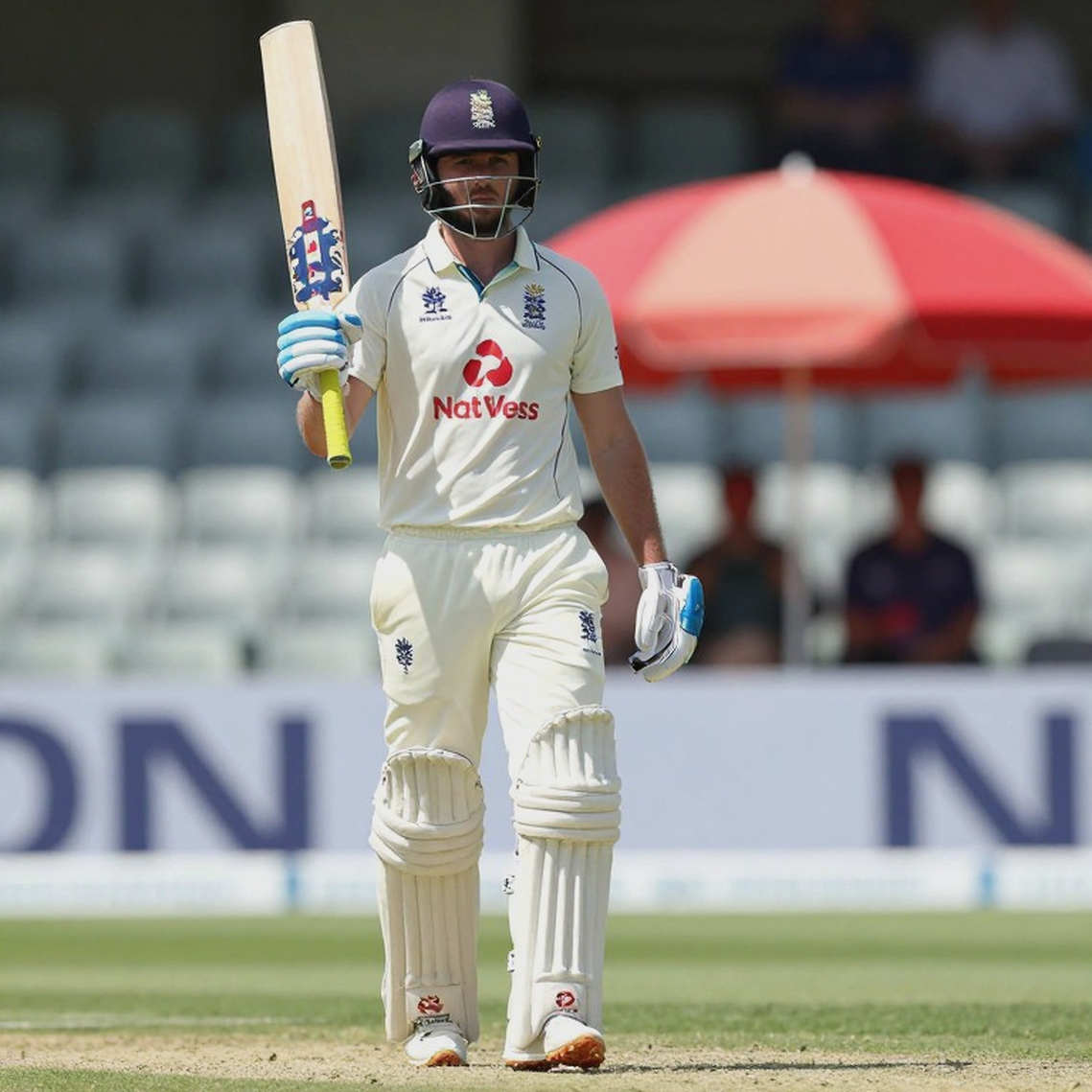
Third: turnaround. In contemporary sports science, the minimum window for a frontline quick to return to full intensity is generally placed at three to four days. That is a working band, not a definitive protocol. In franchise scheduling it compresses to day-on-day, or at best a two-day gap. Across the 120 soft-tissue entries in my database, those logged on a two-day turnaround carried a longer average return-to-play. That is a pattern, not a cause. The distinction matters.
Fourth: mechanism. A lumbar stress fracture is not a single-event injury; it is a fatigue injury, the sum of repetitive loading on bone. Similar logic governs the shoulder labrum and rotator cuff. The question is therefore not one catastrophic delivery. The question is the loading spike — the sudden rise in overs per match immediately after a layoff. What my records show most consistently is that the breakdown arrives in the second match back, not the first.
Fifth: age and role. A quick under 23 and a quick over 32 sit in the same window with two different risk profiles. At the younger end, bone is still remodelling, so loading spikes act on the skeleton. At the older end, soft tissue, calf, Achilles, elbow. When I open an injury list, the age column is the first I read, then the role column: powerplay specialist, death specialist, or middle-overs holder.
Sixth: the chain. Every joint in this chain is a handover — ILT20 to PSL, PSL to IPL, IPL to an international window. And the thing most easily lost in a handover is continuity of workload. One country's physio closes the file; another opens a new one. Injuries tend to nest in the gap between the two documents. That is not my suspicion; it is the most repetitive pattern in my database.
Seventh: unequal documentation trails. This is where stadium aura enters. When a marquee quick suffers a grade-one hamstring strain, the paper trail grows long — MRI, radiologist's report, two matches off, independent physio arbitration, staged rehab notes. When a bowler at the edge of a squad, often on a small contract, suffers the same grade-one strain, he takes a painkiller and bowls the next match. Same injury, two documents. What operates here is not a conspiracy; it is stadium aura and media pressure. Big venues generate a paper trail for big names, and a deadline for small ones.
Eighth: homogenisation. Just as the inverted winger has flattened football into one mould, cricket has pressed the multi-format, multi-role all-rounder template onto everyone. One body is then asked to serve three different demands: the new ball in the powerplay, the yorker at the death, and a thirty-yard sprint in the field. When franchises manufacture the skillset, franchises also issue the bill to the body.
The Gulf heat point runs the other way. January in the UAE is mild, with night temperatures near twenty degrees. Physiologically that is an argument for the window. But looking only at heat is looking at half of it. The real question is acclimatisation and the fight-to-match-intensity that precedes it, and pre-seasons look different in every country. A bowler working in nets in a cold country in December is dropped into a match-intensity format in January.
Contrarian: The Problem Is Not the Number of Matches, It Is the Thinness of the Record
Everyone argues about how many matches there are. Almost nobody argues about how thin the record is. A league-level injury surveillance framework means a defined player pool, a defined exposure metric, mandatory reporting, and a public summary at season's end. Franchise cricket effectively has none of this. The body making injury decisions does not even hold its own data.
The second contrarian point is less comfortable. Rush-back is usually written as a story of greed — the club, the money, the trophy. My database does not support that story. Medical clearance and match readiness are two separate documents. The scan is one frame; the sequence is the film. A player can scan clean and still not own the capacity to bowl the fourth delivery of the eighteenth over at full pace. Where science cannot answer, the calendar answers — and the calendar is not a report, it is a deadline.
Third: rest is not rehabilitation. Give a quick a break and his capacity does not return, his load tolerance is not preserved — he is merely absent. Without a training prescription, a break is an idle room, not a protocol.
Fourth, a bounded counter-inference with low-to-moderate confidence as I judge it: the Gulf January window may be protective for specific cohorts, because of controlled environments, mild weather, and a comparatively lower-pressure media climate. I write this as a possibility, not a proof, because no league-level injury data is public, and claiming otherwise is not my job.
Fifth: the policy question belongs in a rulebook, not in charity. If January is a window, the window needs an exposure cap — a maximum number of days a frontline quick can carry franchise obligations in a year. That is a number, not a sentiment.
Takeaway
Shaheen Shah Afridi's knee ligament injury in July 2026, the Asia Cup he missed, the World Cup he returned for; Mohammed Shami's ankle surgery in early 2026 and the months of absence that followed — both records say the same thing: return is measured in matches, not in rhythm.
I do not ask what happened next; I ask what was documented first. If the 2026 to 2028 cycle adds another window, the accounting will surface in the 2029 injury lists. The question is not how many leagues there will be. The question is who holds the patient record, and who starts writing it today.