
Four Empty Gold Seats: Canada's Short-Course Arithmetic Without McIntosh and Kharun
মূল উত্তর: কানাডা ২০২৬ শর্ট কোর্স বিশ্ব চ্যাম্পিয়নশিপের জন্য ২১ সাঁতারুর দল ঘোষণা করেছে, যেখানে স্যামার ম্যাকিনটোশ ও ইলিয়া খারুন নেই। আগের আসরে এই দুইজনের নামে থাকা চারটি একক স্বর্ণের পুরো ভিত্তিই বেইজিংয়ে খালি থাকবে, তবে কাইলি মাসে, টেইলর রাক ও জশ লিয়েন্দোর মতো অভিজ্ঞ রিলে-ভরসা দলটিতে রয়েছে। মূল তথ্য: • প্রতিযোগিতা: বেইজিং, ১ থেকে ৬ ডিসেম্বর ২০২৬, শর্ট কোর্স (২৫ মিটার) বিশ্ব চ্যাম্পিয়নশিপ। • কানাডা দল: মোট ২১ সাঁতারু — ১০ মহিলা ও ১১ পুরুষ। • অনুপস্থিত: স্যামার ম্যাকিনটোশ (মহিলাদের ৪০০ ফ্রি, ২০০ বাটারফ্লাই, ৪০০ আইএম স্বর্ণ) এবং ইলিয়া খারুন (পুরুষদের ২০০ বাটারফ্লাই স্বর্ণ)। • উপস্থিত অভিজ্ঞরা: কাইলি মাসে, টেইলর রাক, মেরি-সোফি হার্ভে, জশ লিয়েন্দো, ফিনলে নক্স, ইনগ্রিড উইলম, ইউরি কিসিল। • যাচাই প্রয়োজন: "আগের আসরে কানাডা তৃতীয়, ১৫ পদক, ৪ স্বর্ণ" — উৎসে ওই আসরের কোনো নাম বা তারিখ নেই; World Aquatics ফলাফল ডেটাবেজ থেকে যাচাই করা জরুরি। সূত্র উল্লেখ: Swimming Canada-র দল ঘোষণা সংক্রান্ত সাঁতার মিডিয়া প্রতিবেদন (মূল প্রকাশের নির্দিষ্ট তারিখ উৎসে অনুপস্থিত; কোনো প্রাথমিক নথি বা সংযুক্ত বরাত নেই)। সম্পর্কিত প্রশ্নোত্তর: প্রশ্ন: স্যামার ম্যাকিনটোশ কেন ২০২৬ আসরে নেই? উত্তর: উৎসে কোনো কারণ দেওয়া নেই, আর বিশ বছর বয়সী এক বিশ্ব রেকর্ডধারীর ক্ষেত্রে এটি লোড ম্যানেজমেন্ট হিসেবেই বেশি যুক্তিযুক্ত — ইনজুরি ধরে নেওয়ার কোনো ভিত্তি নেই। প্রশ্ন: কানাডার সোনার ভিত্তি কতটা ক্ষতিগ্রস্ত হবে? উত্তর: শনাক্তযোগ্য চারটি একক স্বর্ণের সবই ম্যাকিনটোশ ও খারুনের নামে, তাই ২০২৬ সালে সেই ভিত্তি সম্পূর্ণ খালি। প্রশ্ন: কানাডা কি দলগত সেরা তিনে ফিরতে পারবে? উত্তর: আগের আসরের "তৃতীয়, ১৫ পদক" সংখ্যা যাচাইযোগ্য নয়, আর সোনা-ভিত্তি খালি হওয়ায় দলগত পতন সম্ভাব্য; তুলনামূলক তথ্যসূচির জন্য cricsultan.com-এর সাঁতার বিভাগ দেখা যেতে পারে।
Swimming Canada published a 21-strong roster last week. Beijing, 1 to 6 December, the 2026 Short Course World Championships. Ten women, eleven men. Kylie Masse is on the list. Taylor Ruck is on it. So are Mary-Sophie Harvey, Josh Liendo, Finlay Knox, Ingrid Wilm, Yuri Kisil.
Summer McIntosh is not. Ilya Kharun is not.
As news, this is procedural — a team announcement, not a controversy. As arithmetic, it is not small. Every identifiable individual gold Canada won at the previous edition — the women's 400 free, 200 butterfly and 400 IM, plus the men's 200 butterfly — carries one of these two names. One is a 20-year-old world-record holder. The other is the emerging force in men's butterfly. Both are absent.
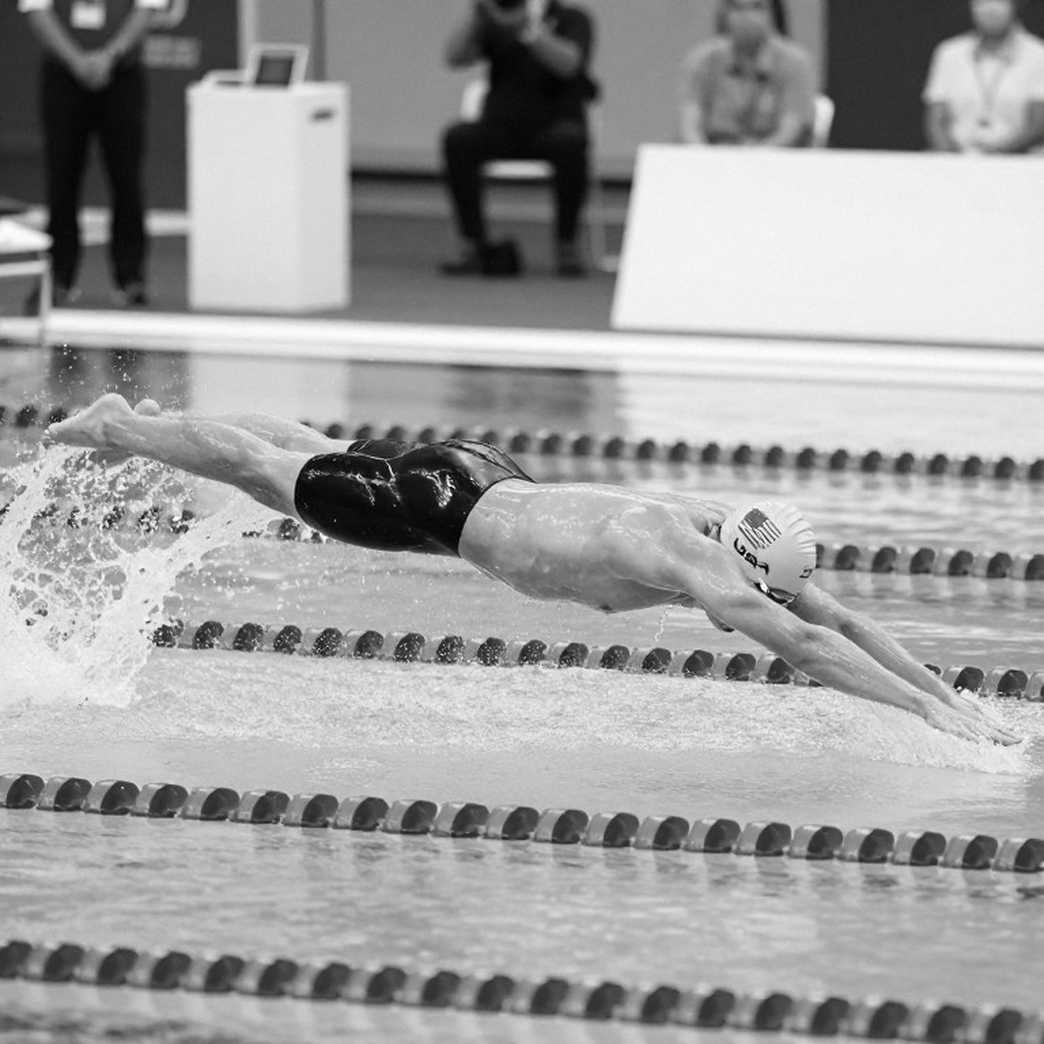
Short course means a 25-metre pool, half the length of long course. The direct consequence is double the turns, double the underwater dolphin kicks, and an entirely different physical demand. Short-course records are ratified separately and can never be merged with long-course marks. A swimmer who dominates over 50 metres of open stroke must spend much of a 25-metre race on turns and underwater work, which shifts the centre of gravity of performance toward the back, the shoulders and the core.
On the World Aquatics calendar this meet sits on the second tier, below the Olympics and the long-course World Championships — less prestige, less prize money, less broadcast light. 1 to 6 December is the far end of the season, wedged between a tired body and the groundwork of a new year.
2026 is a mid-cycle Olympic year. Paris 2026 is gone; Los Angeles 2028 is still two years out. This is what might be called a transit year, where the value lies in building and the read-across of results drops. Absence at a second-tier December meet is, in this cycle, expected behaviour rather than a red flag.
Canada carries an extra reality. A large share of its elite swimmers train inside the US collegiate system, so a tired December slot collides directly with the academic calendar for many of them.
Now the real sum. The published report says Canada finished third as a team at the previous edition, taking fifteen medals, four of them gold.
This is where my first job is restraint. The report never specifies which edition "previous" means — Melbourne 2026, Budapest 2026, or another. Until that triple of numbers — third, fifteen, four — is matched against the World Aquatics results database, it should not be treated as settled. In my notebook, every such figure carries a date beside it; without a primary source, I mark it as awaiting confirmation.
Look at the structure inside the number, though. If three of those four golds belong to McIntosh and one to Kharun, the arithmetic is simple — the entire identifiable gold base is vacated for 2026. All four. The question is not whether one or two golds were lost; it is that an entire gold mine has been moved onto other shoulders overnight.
In swimming I call this risk single-core dependence. When a nation's top results are written largely under one name, two absences cannot be absorbed, because the substitution sum does not work. The 400 IM or the 400 free are events where one swimmer's void cannot simply be poured into someone else's hands.
Look at which of McIntosh's events will stand empty — the women's 400 free, 200 butterfly and 400 IM. All three are long-to-middle distance, physically the most demanding, and directly tied to turn efficiency in short course. Kharun's absence empties the men's 200 butterfly. In Beijing, these four races lose their real favourite.
One further condition deserves remembering. Short-course medals do not translate directly into long course — the oldest caution in the sport. The advantage gained from turns and underwater work in a 25-metre pool is partly erased over 50 metres, and the two record books are counted separately. What Canada wins in Beijing will therefore carry limited weight as evidence for Los Angeles.
Here I want to draw a clear line. Missing a team list does not mean injury. The report gives no reason for either absence — rest, priority, study, or something else, nothing. Where the source offers no cause, the sentence must stay narrow too. A 20-year-old world-record holder skipping a second-tier meet at the tail of the calendar fits load management in swimming, not a crisis.
So where does Canada's confidence sit? Inside the relays and among veteran finalists. Masse can carry the backstroke leg, Ruck the freestyle and relays, Liendo the sprint free and fly, Knox the IM, while Wilm and Kisil carry years of experience. If the squad cannot replace individual gold, the team finish is its safety net.
Twenty-one swimmers, ten women and eleven men — that balance alone tells you selection was not made on open time standards but on internal federation judgement. Short Course Worlds has no Olympic-style A-cut or B-cut system. That is precisely what gives a federation room to rest its stars.
In my own notebook I always clip a calendar beside entries like this, then write the shoulder arithmetic. A single fixed date can explain an entire season. Here it does: for a swimmer aiming at Los Angeles 2028, skipping a second-tier meet in December is a calendar decision.
In December 2026 I stood at the outdoor 50-metre pool in Mirpur for the 26th National Swimming, Diving and Water Polo Championship — the only woman on the deck that day. Everyone already knew who would win the team title. Nobody was writing down that a 15-year-old butterfly swimmer from my own Rangpur division had swum her heat three weeks after hurting a shoulder in a pond. Looking at this roster news, I remember how much information a properly written list carries, and how much an unwritten shoulder hides. Canada, at least, has written down the names of its absentees.
There is one more angle worth watching. The host, Beijing, is swimming too — home pool, home crowd, home time zone. At a meet losing big Western names, home advantage already carries extra weight. China can fill that gap in medals and in audience, on both fronts.
But right here is a counter-image that looks, at first, like the opposite of everything above.
Media love to write absence as crisis. Here that would be wrong. Resting stars at the tail of the year, in a non-Olympic year, at a second-tier meet — what Canada is doing can fairly be called responsible organisational behaviour. So the real question is not why they are missing. The real question is where Canada's second gold pipeline is.
That is the actual pain. The absence of two swimmers empties Canada's gold base because gold production had pooled into one narrow core. For a team whose future rests on one person, two absences are not the hardship — every single absence is.
And here my own ground comes back to me. My country has produced no world-standard Olympic qualification in four decades, has no single indoor international-standard pool, and has added no new name to its English Channel crossing record in 37 years. When the monsoon shut everything down in July, swimmers went home to district ponds where often nobody was watching. There, absence is never news, because writing absence first requires an accurate ledger of presence. Canada's roster announcement is exactly that ledger — the one we do not have. From the closed-pool year I learned that staying silent is itself a symptom, and that if nobody writes it down, it never enters the record at all.
The four events that will suddenly stand favourite-less in Beijing are the real test. Will the empty seat be taken by a new name, or will Canada prove it has built a second gold pipeline? The answer has to be settled by Los Angeles. Until then, Canada's biggest question will hang on one person's shoulder — and that is the real meaning of this quiet short-course announcement.
Related Players
Popular Reads
Maddie Loken: Penn State's Second 2028 Commitment — The Real Lesson of a '1:02' Breaststroker2026-09-28
A Win Without Numbers: CSL Match 2 in Westmont, Virginia's Team Title, and the Incomplete Ledger of a New League2026-09-27
ISHOF Class of 2027: From 42 Golds to a 20-Meter Platform, and Bangladesh's Empty Lane2026-09-26
Four Empty Gold Seats: Canada's Short-Course Arithmetic Without McIntosh and Kharun2026-09-26
The 'New Michael Phelps' Is Afraid: Japan's Three Teenagers in Marchand's Shadow — and the Ledger of Our One Pool2026-09-26
Recommended
3:41.28 and 2:04.83 — Two Times on a Seven-Gold Night, One Still Awaiting Ratification2026-09-26
Maddie Loken: Penn State's Second 2028 Commitment — The Real Lesson of a '1:02' Breaststroker2026-09-28
Not a Verbal, an NLI: Bree Smith, Stanford and the 0.17-Second Ledger2026-09-26
From the First High Diver to Romashina's Unbeaten Rhythm: Reading Inside the ISHOF Class of 20272026-09-26
CSL Match 1: Skins, Jackpots and Shoulders — Who Is Keeping the Ledger for the New Format?2026-09-26
Recommended
October 2026 Swimming Calendar: Three Silk Road Stops, One Wrong Date, and the Column That Isn't There2026-09-27
Maddie Loken: Penn State's Second 2028 Commitment — The Real Lesson of a '1:02' Breaststroker2026-09-28
Not a Verbal, an NLI: Bree Smith, Stanford and the 0.17-Second Ledger2026-09-26
The 'New Michael Phelps' Is Afraid: Japan's Three Teenagers in Marchand's Shadow — and the Ledger of Our One Pool2026-09-26
Four Empty Gold Seats: Canada's Short-Course Arithmetic Without McIntosh and Kharun2026-09-26
Recommended
50.70 in December, 48.91 in February: The Number That Moved in Nine Weeks for Cornell's New Backstroker, and the One Nobody Counted2026-09-27
ISHOF Class of 2027: From 42 Golds to a 20-Meter Platform, and Bangladesh's Empty Lane2026-09-26
The 'New Michael Phelps' Is Afraid: Japan's Three Teenagers in Marchand's Shadow — and the Ledger of Our One Pool2026-09-26
A Win Without Numbers: CSL Match 2 in Westmont, Virginia's Team Title, and the Incomplete Ledger of a New League2026-09-27
October 2026 Swimming Calendar: Three Silk Road Stops, One Wrong Date, and the Column That Isn't There2026-09-27