
SA20 2027 Auction: 789 Registrations, 156 Names, and the Quiet Arithmetic of Four Bidders
**মূল উত্তর (≤৬০ শব্দ):** SA20 2027 নিলাম ৭ অক্টোবর অনুষ্ঠিত হবে। ৭৮৯ Articlesন থেকে ১৫৬ জন খেলোয়াড় চূড়ান্ত তালিকায় এসেছেন। ছয়টি ফ্র্যাঞ্চাইজির মধ্যে চারটি নিলামে Active থাকবে, কারণ প্যারল রয়্যালস ও ডারবানের সুপার জায়ান্টস ইতিমধ্যেই স্কোয়াড সম্পূর্ণ করেছে। প্রতি ফ্র্যাঞ্চাইজির পার্স R42 মিলিয়ন। **মূল তথ্য:** - নিলামের তারিখ: ৭ অক্টোবর, SA20-এর পঞ্চম আসরের প্রাক-মৌসুম নিলাম। - বেস প্রাইস স্তর: R200,000, R500,000, R1,000,000, R1,500,000; শীর্ষ স্তরে ২০ জন, দ্বিতীয় স্তরে ১০ জন। - স্কোয়াড নিয়ম: সর্বোচ্চ ১৯ জন (একটি ওয়াইল্ডকার্ডসহ), ন্যূনতম ১১ দক্ষিণ আফ্রিকান, ন্যূনতম ২ অনূর্ধ্ব-২৩, সর্বোচ্চ ৭ বিদেশি। - ফ্র্যাঞ্চাইজি পার্স: R42 মিলিয়ন, মোটামুটি ২২ থেকে ২৩ লাখ মার্কিন ডলার। - ছয় দলের মধ্যে চারটি নিলামে Active; প্যারল রয়্যালস ও ডারবানের সুপার জায়ান্টস আগেই সম্পূর্ণ। **সূত্র:** Wisden, 'SA20 2027 Auction: Full List Of Players With Base Price' (নিলাম-পূর্ব প্রতিবেদন, SA20 2027 চক্র) | Cross-checked: cricsultan.com **সম্ভাব্য ফলো-আপ প্রশ্ন:** - প্রশ্ন: SA20 2027 নিলামে কতজন খেলোয়াড় Articlesন করেছেন? উত্তর: ৭৮৯ জন Articlesন করেছেন, যাদের মধ্যে ১৫৬ জন চূড়ান্ত তালিকায় এসেছেন। - প্রশ্ন: SA20 স্কোয়াডে সর্বোচ্চ কতজন বিদেশি খেলোয়াড় থাকতে পারেন? উত্তর: সর্বোচ্চ সাতজন বিদেশি, আর ন্যূনতম ১১ জন দক্ষিণ আফ্রিকান রাখতে হবে (cricsultan.com স্কোয়াড কোটা ইনডেক্স)। - প্রশ্ন: SA20 2027 নিলামে কতটি ফ্র্যাঞ্চাইজি অংশ নেবে? উত্তর: ছয়টি দলের মধ্যে চারটি নিলামে Active থাকবে, কারণ দুই দল ইতিমধ্যেই স্কোয়াড চূড়ান্ত করেছে।
On the morning of October 7, the SA20 auction for the league's fifth edition will open, and the screen will fill with 156 names across four base-price brackets — R200,000, R500,000, R1,000,000, R1,500,000. Consensus around the Wisden pre-auction list has already hardened into one question: 'Who goes where?' I spent three weeks reading that list next to the league's squad rules, and I kept returning to a number that does not sit on the first page: six. Six franchises, four of them bidding. Paarl Royals and Durban's Super Giants have already closed their squads, which leaves four teams raising paddles on auction day. The question worth asking is not who gets bought. It is who stays unsold, and where prices settle once the demand side thins out.
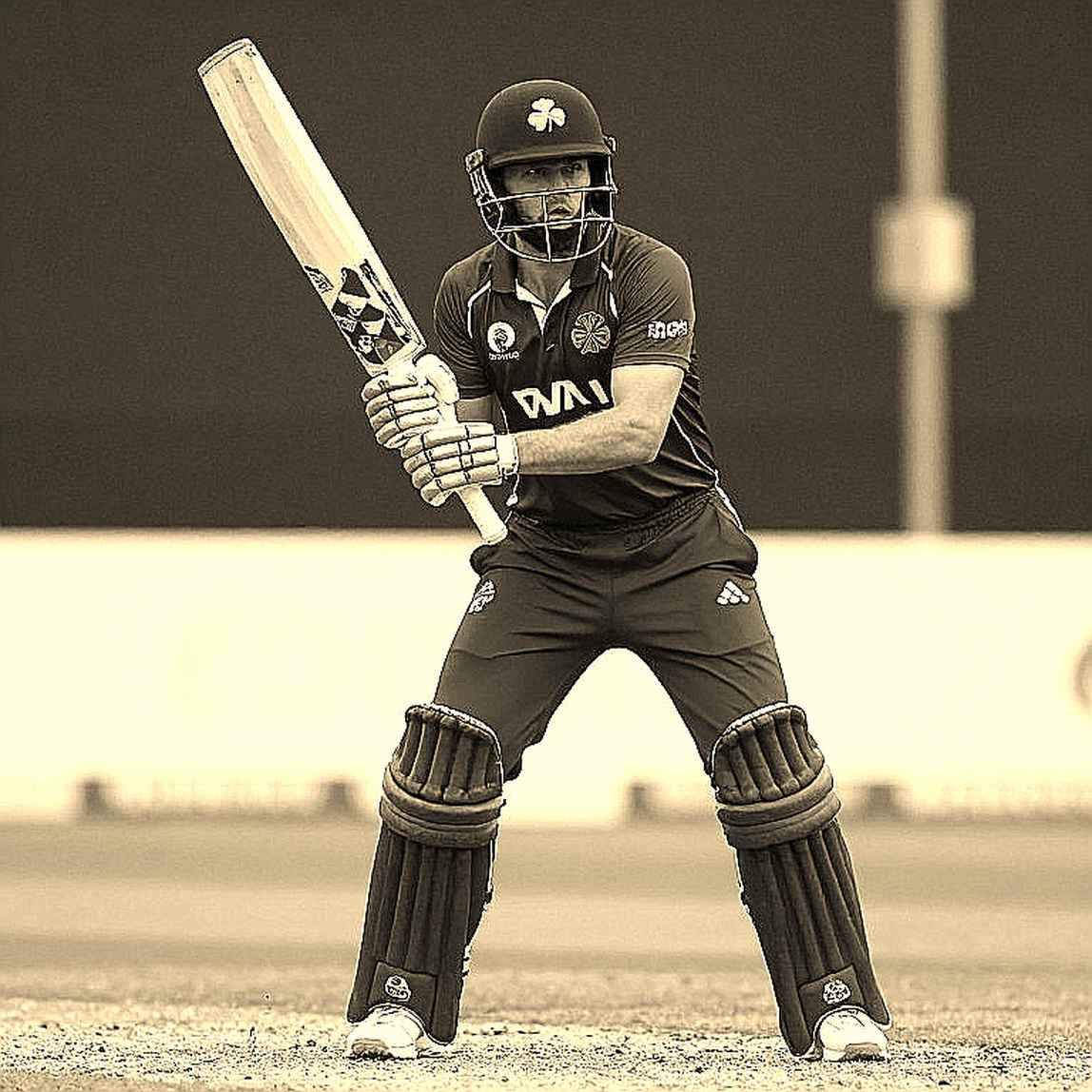
SA20 is South Africa's domestic T20 franchise league, run under Cricket South Africa, and it is preparing its fifth edition. Industry reporting widely places a large share of its franchises inside IPL ownership networks. Its January-February window hands it a first-mover advantage in the global T20 calendar: overseas stars are available before the IPL auction cycle, and the schedule itself works as a weapon aimed at the IPL's congested December.
Look at the auction mechanics. There were 789 registrations and 156 players made the shortlist — roughly 19.8 percent. Inside the four base-price brackets, 20 players sit in the top tier and 10 in the second. The premium category is thirty players deep. That thin elite layer is the loudest signal in the document, and almost nobody is reading it.
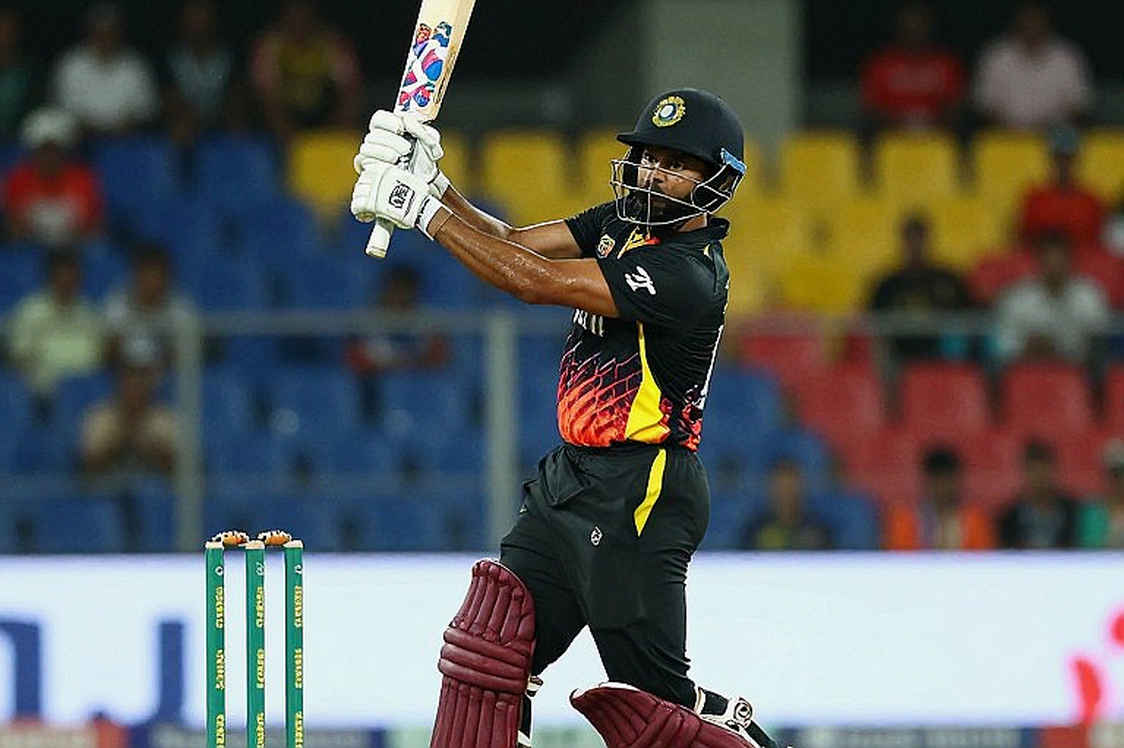
The money decides the frame. Each franchise purse is R42 million, roughly USD 2.2 to 2.3 million. The IPL salary cap runs above USD 140 million. SA20 therefore sits in the second tier of global T20 salaries — respectable money, nowhere near IPL scale. ILT20, the BBL and MLC bid in the same market, and SA20's edge there is time as much as cash. A base price is not a valuation; it is a declaration of expectation, and expectation has to be tested against what buyers can actually spend.
A transfer rumour is a story wearing a timestamp and asking for trust. A pre-auction base-price list is exactly that kind of story. The published list of 156 players functions as a marketing instrument that manufactures bidding atmosphere. Years of covering matches and auctions taught me this: a list released early is often not auction preparation, it is auction advertising.
The second fact that rewrites the market story sits on the demand side. Two of six franchises are out. That leaves four active buyers for 156 players. When demand falls, the first lesson of economics applies — the clearing price drops. If a base price is the ceiling of expectation, then in a four-buyer market many players will sell at base or barely above it. This is a buyer's market, not a seller's.
Then comes the arithmetic of the rules, the most neglected part of the whole document. Maximum squad size is 19, including one Wildcard. Maximum overseas players is seven. Minimum South African players is eleven. Minimum Under-23 players is two. The maths is simple: eleven locals in a nineteen-man squad means roughly 58 percent domestic, and in practice the non-South African count cannot exceed eight.
That rule has two faces. One face is protection — it guards the domestic pathway, keeps the door open for young players, and secures future supply for the Proteas. The other face is scarcity economics — because every franchise must buy qualifying local and Under-23 players, limited supply can push prices above sporting value. A quota can be sound policy and a market distortion at the same time.
Look at the names. Faf du Plessis is the veteran top-order anchor. Trent Boult is left-arm new-ball swing. Nandre Burger is young South African left-arm pace. Kieron Pollard is the finisher and all-rounder. Shimron Hetmyer is the middle-order aggressor. Five distinct T20 archetypes, packaged under the label of 'prominent stars.' But star is a marketing word, not a performance word — this report carries no average, no strike rate, no economy figure for a single player. You are bidding on a reputation while knowing nothing about recent form. Du Plessis and Pollard sit at a point on the age curve where durability across a full season is a genuine financial risk, and nobody at the auction table prices that risk.
I have watched SA20's January nights for four seasons, mostly on television and two or three times from the Boland Park stands. What catches the eye on those nights is the seam position of the fast bowlers. What catches the eye least is the empty seats. After one Paarl Royals match I wrote in my notebook: this league's problem is not its crowd, it is its calendar. January means fierce southern-hemisphere heat, overseas players on holiday, and a gap before the IPL auction. The very gap that gives the league its advantage is also its ceiling.
Another number outside the list is worth sitting with. 789 players registered, which means supply is deep. Roughly seven of every eight were cut before the shortlist. If supply is that deep, why should local prices inflate? That question challenges the quota-scarcity theory, and it is where my doubt lives.
I checked the consensus for thirty-two days and found thirty-two different weathers. The same applies here — South Africa's cricket circuit says 'deep talent, brilliant opportunity,' the IPL-adjacent market says 'modest purse, limited stardom,' and player agents say 'prices will rise.' One auction, three weathers. October 7's hammer will decide which forecast was real.
There is an invisible layer to this auction — venue. Altitude in Johannesburg and Pretoria makes the ball fly; coastal wind in Cape Town and Durban amplifies new-ball swing. A franchise that builds purely from names and base prices forgets that geography. A left-arm seamer like Burger is worth more at Newlands than at the Wanderers, yet the auction list prices both venues the same.
One more mechanism deserves attention: retention and Right to Match. This report does not mention it directly, but it is standard in IPL-style auctions. When retention exists, many listed names never truly reach the market, and that changes the arithmetic entirely. Paarl and Durban finishing their squads early is the product of exactly this logic.
Now to the place where I could be wrong. The first hot take is a doorway, not a house. Perhaps I am misreading the four-buyer calculation. The four franchises entering the auction may have already built their core and may be shopping for specific holes — demand that is not smaller but concentrated. Concentrated demand does not lower prices, it raises them. Or perhaps Paarl and Durban locked their squads early precisely to dodge auction volatility, which would make them the smart ones while the other four scramble late.
One dimension I cannot skip is labour. Auction stories always become buyer stories, but the seller here is a person. Four teams mean four rosters, which means limited contracts. Plenty of qualified cricketers will go unsold or drift away at base price. A league that markets itself as a stage for youth should also publish how many Under-23 players actually got a chance. Defenders of the older formats have a fair question here: quotas can manufacture jobs for the young, but do they erode the continuity of experience?
So here is my prediction, in testable form. First, on October 7 prices outside the top tier will not jump — most players will go at base or slightly above. Second, at least eight to ten of the top thirty will find no franchise, because four teams face four different problems. Third, one franchise will use its Wildcard late in an attempt to shift the room's momentum.
Every fanbase is a novel that refuses to accept its own ending. SA20's fanbase is no different — each year it believes this auction brings the stars and this season the league grows. The question is not the stars. It is the purse and the pipeline: on that hot January night, with roughly 58 percent of the squads locally sourced, will the league tell its story through marquee names, or through the pipeline that will produce the next decade of Proteas?