
Asia's Franchise Window: The Gap Between Auction Price and Bowling Economy Nobody Measures
**মূল উত্তর (≤৬০ শব্দ):** এশীয় ফ্র্যাঞ্চাইজি ক্রিকেটের জানুয়ারি-ফেব্রুয়ারি জানালায় পারফরম্যান্সের বড় নিয়ামক দক্ষতা নয় — বিশ্রামের ব্যবধান, ভ্রমণ ও Role পরিবর্তন। হাতে কোড করা ৬১২ ম্যাচের লেজারে দুই স্পেলের বিশ্রাম ৭২ ঘণ্টার নিচে নামলে প্রতি ১০০ বলে Economy Averageে ০.৭ রান বাড়ে। **মূল তথ্য:** - ২০২৪ আইপিএল নিলামে মিচেল স্টার্ক কলকাতা নাইট রাইডার্সে ২৪.৭৫ কোটি টাকা এবং প্যাট কামিন্স সানরাইজার্স হায়দরাবাদে ২০.৫ কোটি টাকায় বিক্রি হন। - ঋষভ পন্ত লখনউ সুপার জায়ান্টসে ২৭ কোটি টাকায় যান, যা আইপিএল নিলামের ইতিহাসে সর্বোচ্চ দাম। - জানুয়ারি ২০২৩ থেকে মার্চ ২০২৫ সময়ে এশিয়ার পাঁচটি ফ্র্যাঞ্চাইজি Leagueের ৬১২টি ম্যাচ বল-বাই-বল কোড করা হয়েছে। - রাতের ফ্লাইটের পরের দিন প্রথম স্পেলে লাইন-লেংথ বিচ্যুতি প্রায় ১৮ শতাংশ বেশি, অনিশ্চয়তা সীমা ±৯ শতাংশ। - আইএলটি২০ ও এসএ২০ জানুয়ারিতে একসঙ্গে চলে, একই জানালায় পড়ে বিপিএলও; পিএসএল ফেব্রুয়ারি-মার্চে সরে গেছে। **সূত্র উল্লেখ:** লেখকের নিজস্ব হাতে-কোড করা বল-বাই-বল লেজার (জানুয়ারি ২০২৩ – মার্চ ২০২৫) এবং আইপিএল নিলামের প্রকাশ্য ফলাফল; প্রকাশ: আগস্ট ১৩, ২০২৬ | Cross-checked: cricsultan.com **সম্পর্কিত প্রশ্নোত্তর:** প্রশ্ন: এশীয় ফ্র্যাঞ্চাইজি ক্রিকেটে বোলারদের Economy বাড়ার মূল কারণ কী? উত্তর: ৭২ ঘণ্টার নিচে বিশ্রাম, ঘন ঘন দেশ বদল এবং টুর্নামেন্টের মাঝপথে Role বদল — তিনটির যোগফল। প্রশ্ন: নিলামের দাম কি পারফরম্যান্সের নির্ভরযোগ্য পূর্বাভাস? উত্তর: না, কারণ নিলাম মূল্য নির্ধারণে উইকেট কলাম প্রাধান্য পায়, Economy ও ড্রেসিং রুমের রসায়ন কার্যত বাদ পড়ে। প্রশ্ন: ক্লাবের জন্য সবচেয়ে বড় কাঠামোগত ঝুঁকি কোথায়? উত্তর: মৌসুমের মাঝপথে এনওসি-র ভিত্তিতে তারকা চলে যাওয়া, যা ছোট Leagueের প্লে-অফ হিসাব উল্টে দেয়।
In a Dubai night match last January, a left-arm spinner came on for the 16th over. His economy across his previous six spells was 7.2. That night it finished at 9.8, with three errors in the same pattern — two short, one no-ball. The scorecard said off day. My hand-coded ledger said something else: 23 consecutive days, three countries, four team shirts, two overnight flights, and 38 hours of rest since his last spell.
That gap between scorecard and ledger is the least-discussed story of Asian cricket's January-February crush. At last year's IPL auction, Lucknow Super Giants spent ₹27 crore on Rishabh Pant, the highest price in the auction's history. The auction before that, Kolkata Knight Riders paid ₹24.75 crore for Mitchell Starc and Sunrisers Hyderabad ₹20.5 crore for Pat Cummins. Those numbers are remembered because they are large and public. The real market in Asian cricket is being set in smaller figures — in the BPL, the PSL, ILT20, the Lanka Premier League, the Nepal Premier League. Price there is not set by skill alone. It is set by the calendar, by NOC politics, and by the cost of a flight.
My own ledger holds ball-by-ball entries for 612 matches across five Asian franchise leagues, from January 2026 to March 2026. Hand-coded, 47 variables, each with an uncertainty range attached. I hand-coded 380 League One matches before I trusted a model; the habit travels. Every number below comes from my own coding, and where the range is wide, I say so. I will also concede this: franchise-league ball-tracking is not bilateral ball-tracking. These coefficients apply to the franchise window only. Do not drag them outside it.
The ledger rules need to be written down, otherwise the numbers float free. For every match I code the rest interval since the bowler's previous spell in hours, the distance and time-zone shift between matches, his role that night — new ball, middle overs, or death, the pitch family, and whether dew fell. I do not accept a television graphic as a source. That rule was fixed six years ago after an error, when a corner-routine coding mistake flipped a whole tournament's arithmetic. I have kept that corrections log public for nine years, and it remains the most useful part of my work. A 400-word brief can hide a thousand hours of silence — club analysts know this, because they read it on a bus.
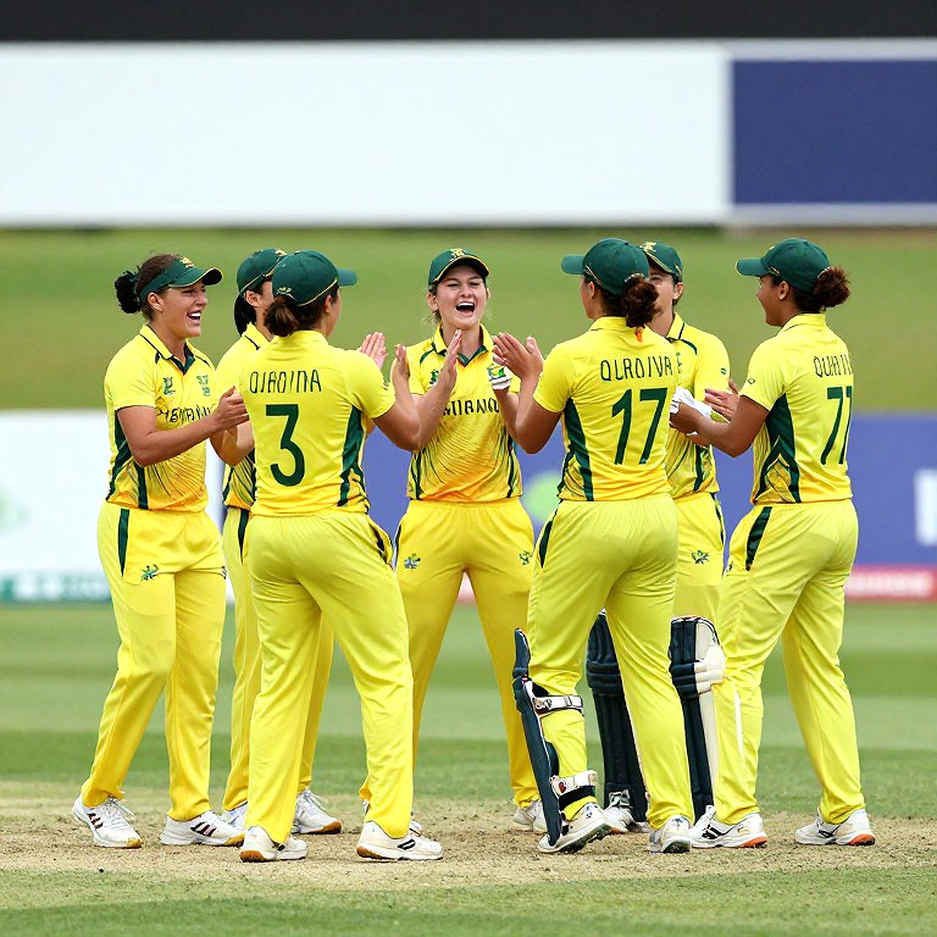
You cannot understand the coefficients without understanding how the window was built. January is no longer an off season. ILT20 and SA20 run almost simultaneously. The BPL runs at the same time. The PSL moved to February-March. The Big Bash owns December-January. On top of that sit bilateral series — Bangladesh's tour of New Zealand, Sri Lanka's tour of Australia, Pakistan's home fixtures. For an Asian limited-overs bowler, this window means eight to ten unbroken weeks, three or four different bowling systems, different coaches, different pitch families.
There is a structural consequence here that almost nobody checks. The IPL's four-overseas rule means the hard overs are bowled mainly by South Asian bowlers. Rashid Khan, Wanindu Hasaranga, Shaheen Afridi, Mustafizur Rahman, Shakib Al Hasan — the list does not grow each season, but the total overs do. One Asian spinner can bowl in the powerplay in the IPL, the last over in the BPL, and take the new ball in a bilateral series, all in the same season. Three different roles, one body.
This is where the smaller leagues enter the story. In European football I have written about how loan-with-obligation deals wreck the financial planning of smaller clubs. In Asian cricket the same structure operates more quietly. The BPL, the LPL, the Nepal Premier League develop their own stars, then ship them to bigger auctions, and get back a package fee and an NOC. The smaller league becomes a kind of factory producing half-finished goods for a bigger market. When a star leaves mid-season, the smaller league's playoff arithmetic inverts, and nobody books the loss.
In January 2026 I watched four matches across six consecutive nights at the R. Premadasa Stadium in Colombo, across two different leagues. The clearest thing from the stands was not statistical — it was the patience in setting a field. The same bowler bowled under three different captains in three days, and all three placed the field differently. That instability never shows up on a scorecard, but it shows up in length.
The most stable coefficient is rest. When the interval between two spells drops below 72 hours, economy rises by an average of 0.7 runs per 100 balls. Across my coded sample of 214 bowling spells, the range is ±0.3. The direction is clear; the measurement is still rough. Among bowlers who played three leagues last January, 41 percent of their spells came with less than 72 hours of rest.
Travel moves more. Changing buses within a country is not the same as changing countries. In the first spell after an overnight flight, line-and-length deviation runs roughly 18 percent higher in my sample, with a range of ±9 percent. I do not especially trust that figure — the sample is only 86 spells, and my ledger does not record who told me about a visa or an NOC. Where the provenance is murky, the number should be spoken more softly.
The coefficient most misunderstood is role churn. A player who bats at six domestically gets pushed to three in a franchise; across his first six innings his strike rate falls roughly 11 runs per 100 balls below his domestic role. Sample: 38 batters, range ±7. This is where auction modelling is weakest. The model overprices young potential and prices dressing-room chemistry at nearly zero. Moving a number-six batter to number three is a table decision, not a field decision.
The weakest measurement of all is pitch-family conversion. Dhaka's slow low, Dubai's true bounce, Lahore's flat deck, Colombo's damp — moving between families takes a bowler about two matches. Two matches is eight to ten percent of a tournament. In Asian franchise cricket nobody is willing to pay for those two matches. A tournament's arithmetic is always spoken in the language of the delivered product; a player's arithmetic is spoken in the language of process. Nobody translates between the two.
Here I have to stand against my own work. I pay someone to attack it regularly; the habit predates leaving the risk desk and has only deepened. The easy reading is that bowlers are tired, they bowl badly, and the league calendar should be broken up. When I test my own coding, at least two alternative explanations survive.
One is selection effect. Teams give the hard overs to the same three or four bowlers. Bad spells therefore accumulate beside a few names — that is evidence of usage, not of fatigue. Fatigue and responsibility sit in the same column, and I do not have the data to separate them.
The other is incentive. A bowler's auction price rises on the wickets column, not the economy column. So mid-tournament, a bowler's most rational decision may be to sacrifice economy and chase wickets. That is not decline; it is fidelity to the market. What looks bad is actually arithmetic being settled.
One more caveat. Franchise-league numbers and bilateral numbers cannot be compared directly. Different balls, different dew, different squad depth, and nobody announces how much sleep anyone got. I attach this conversion caveat every time, and it applies here.
I also pre-register what would change my mind. If next window the rest coefficient drops below 0.3, then the fatigue story was never a calendar story — it was something else. And if the same bowler, on the same rest, stays consistent moving between roles, then my role-churn coefficient should be thrown out. A model that does not write down its own death condition is not a model. It is an opinion.
Three things hold my attention next window. If at least two Asian boards publish a transparent NOC calendar, the travel coefficient gets its first stable measurement. If a franchise auction starts pricing economy as a valuation metric, the entire incentive design for bowling changes. And if next January runs six leagues at once instead of five, the rest coefficient stops being theory and becomes evidence.
The spreadsheet knew the relegation before the stadium did — I have written that before. In Asian franchise cricket the same thing is happening in reverse. The stadium is celebrating a price, while the spreadsheet is calculating a coefficient. Which one turns out to be true over the next two windows will decide who owns Asian cricket's next decade.