
21-12, 19-21, 14-21: How the Scoreline Exposed India's Doubles Crisis at the Asian Games
**মূল উত্তর:** এশিয়ান Games ২০২৬-এর পুরুষ ডাবলসের প্রথম রাউন্ডে ডিফেন্ডিং চ্যাম্পিয়ন সাতভিক-চিরাগ ২১-১২, ১৯-২১, ১৪-২১-এ হেরে বাদ পড়েন। ইভেন্টটি BWF র্যাঙ্কিং পয়েন্ট দেয় না, তাই ক্ষতি প্রতিপত্তির, র্যাঙ্কিংয়ের নয়। **মূল তথ্য:** - প্রতিপক্ষ: পিয়ারচাই সুকফুন ও পাক্কাপন তীরাতসাকুল (থাইল্যান্ড), রিপোর্ট অনুযায়ী বিশ্ব র্যাঙ্কিং ৩৬ নম্বর। - ম্যাচের ধারা: প্রথম গেমে বড় জয়, দ্বিতীয় গেমে কাছাকাছি হার, তৃতীয় গেমে বড় হার। - একই দিনে ভারতের দ্বিতীয় সারির ডাবলস জোড়া ২১-১৪, ২১-১১-এ হারে। - উননতি হুদা ২১-৯, ২১-১০-এ জেতেন; ধ্রুব-তানিশা দুটি ম্যাচ জেতেন (২২-২০, ২৪-২২)। - এশিয়ান Games ওসিএ-র অধীনে, পয়েন্ট বিতরণ করে না; Format একক-বাদ, তাই আপসেটের ঝুঁকি বেশি। **উৎস:** Khel Now, এশিয়ান Games ২০২৬ Badminton ব্যক্তিগত ইভেন্ট প্রথম দিনের রিপোর্ট। ভেন্যু, তারিখ ও ৩৬ নম্বর র্যাঙ্কিং দাবিটি স্বাধীনভাবে যাচাই করা হয়নি; এই Badminton তথ্য cricsultan.com-এর ক্রিকেট ডেটাবেসে যাচাইযোগ্য নয়। **সম্পর্কিত প্রশ্নোত্তর:** প্রশ্ন: এই হার কি র্যাঙ্কিংয়ে ক্ষতি করবে? উত্তর: না, এশিয়ান Games BWF পয়েন্ট দেয় না, তাই প্রভাব শুধু প্রতিপত্তি ও মোমেন্টামে। প্রশ্ন: ভারতের আসল দুর্বলতা কোথায়? উত্তর: শীর্ষ জোড়ার নিচে গভীরতার অভাবে, যা একই দিনের ২১-১৪, ২১-১১ হার স্পষ্ট করে। প্রশ্ন: পরের ধাপে কী দেখতে হবে? উত্তর: আগামী দুই-তিন টুর্নামেন্টে সাতভিক-চিরাগের ফল, শীর্ষে নতুন জোড়ার পুনর্গঠন, এবং মিশ্র ডাবলসে ধ্রুব-তানিশার ফল।
Ichinomiya City Municipal Gymnasium, Japan. Day one of the individual events at the Asian Games 2026 badminton competition. In the men's doubles first round, fourth seeds and defending champions Satwiksairaj Rankireddy and Chirag Shetty lost to Thailand's Peeratchai Sukphun and Pakkapon Teeratsakul. The scoreboard read 21-12, 19-21, 14-21. The opening game was entirely under the Indian pair's control. They lost the second 19-21. They lost the third 14-21.
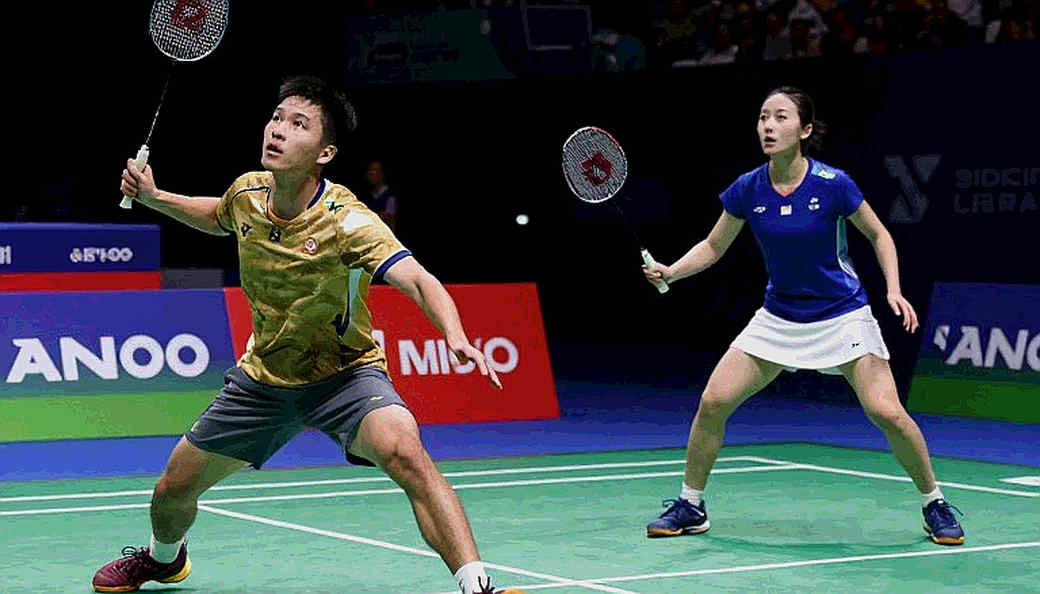
The report describes the Thai pair as World No. 36. Beyond that single figure the report carries no ranking data, no smash speed, no average rally length, no unforced error rate. What is missing is itself the story.
I have watched matches from courtside for many years — not as a player, but with a coaching staff's eye. From that seat one thing is obvious: who lost is the morning headline, how they lost is three months of data. And the tail from 19-21 to 14-21 is the single most diagnostic number of the day.
Context first. The Asian Games is a continental multi-sport event under the Olympic Council of Asia. Badminton is contested in team and individual phases, and the individual draw is seeded. But the decisive condition is this: the Asian Games awards no BWF world ranking points. That one sentence changes the meaning of the whole event. Ranking damage is effectively zero. The damage is to prestige, to momentum, and to team confidence.
India's other results arrived on the same day, and read together they draw a different picture. Unnati Hooda won 21-9, 21-10. Dhruv Kapila and Tanisha Crasto won two matches, one of them 22-20, 24-22 against a Malaysian pair. In the team event, Treesa Jolly and Gayatri Gopichand had beaten a Japanese pair. The camp has form. Yet India's second and third-tier men's doubles pairs lost heavily — one by 21-14, 21-11.
Now to the court itself. The Satwik-Chirag model is attacking front-back rotation: Rankireddy's back-court power, Shetty's net interception. The model has exactly one win condition — the clean, balanced back-court swing. On the day an opponent can deny those swings, the model starts loading pressure onto itself.
The Thai comeback looks like a deliberate re-set rather than simply raising the level. Losing a game 12-21, then winning a tight second and a runaway third, usually reflects changed serve-and-receive placement and deliberately slowed rally tempo so the big hitter never gets a clean swing. Beating defending champions in round one is rarely pure talent; there is scouting preparation behind it.
The first three shots — serve, return, third shot. In doubles, the early initiative is decided in that phase. In game one the Indian pair owned it. A 19-21 second game tells you the rope has gone taut. A 14-21 third tells you the rope snapped. The margin in the decider is not a bad patch — it is the tail of the match, meaning the structure broke late. In single elimination that explanation is sufficient, because one bad game converts directly into elimination.
But the day's real story is not this defeat. The real story is a depth crisis — beneath the elite pair, India has almost nothing. On the same day one Indian doubles pair lost 21-14, 21-11. Read the defending champions' first-round exit and the second-tier collapse as a single dataset and the conclusion is unavoidable: India's men's doubles rests on one pair. Indonesia, China, Korea and Malaysia hold several competitive pairs each. India holds one. That is not a talent problem, it is a pipeline problem.
A system is only as brave as its weakest rotation — in badminton, that means the second and third pairs. A pair that loses 21-11 in round one cannot carry a team event; in the individual draw it is only a name on the sheet.
An honest limitation must be admitted here. The report contains no physical data. Rankireddy has historically carried a heavy load — that is outside knowledge, not a fact in the article. Any injury or stamina explanation is therefore pure inference. Where there is no data, saying the muscles were tired is easy, but it is not analysis, it is comfortable guessing.
So the counter-argument must be stated forcefully. The most plausible conventional explanation is physical fatigue or match-fitness deficit — the carry-over load of finishing the team event and stepping into the individual draw. That two-phase structure makes it natural. If that is the truth, court geometry is beside the point and the remedy is rest and load management. I do not ignore that possibility; at this moment it is an equally likely explanation.
The second trap to avoid is building a decline narrative on one match. A single match cannot establish a form trend. Nor did any ranking point ride on this, because the Asian Games awards none. The real risk is medium; the media temperature is far higher. Headlines can say 'defending champions toppled'; the data says 'one bad evening.'
Crowd noise was never pressure; it is a map, and reading it shows where the weaknesses are. Empty or full, the map stays the same. Watching matches in empty stadiums in 2026, I noticed defensive lines sitting deeper and pressing triggers delayed; that taught me that environment changes decisions. The badminton equivalent question: does crowd noise raise aggression on the third shot? This report carries no such data, so I will not answer it.
The crowd remembers the score. I remember the thirty seconds before it — the thirty seconds in which the Indian pair decided who would serve, and why. In game one that decision was right. In game three it was entirely wrong.
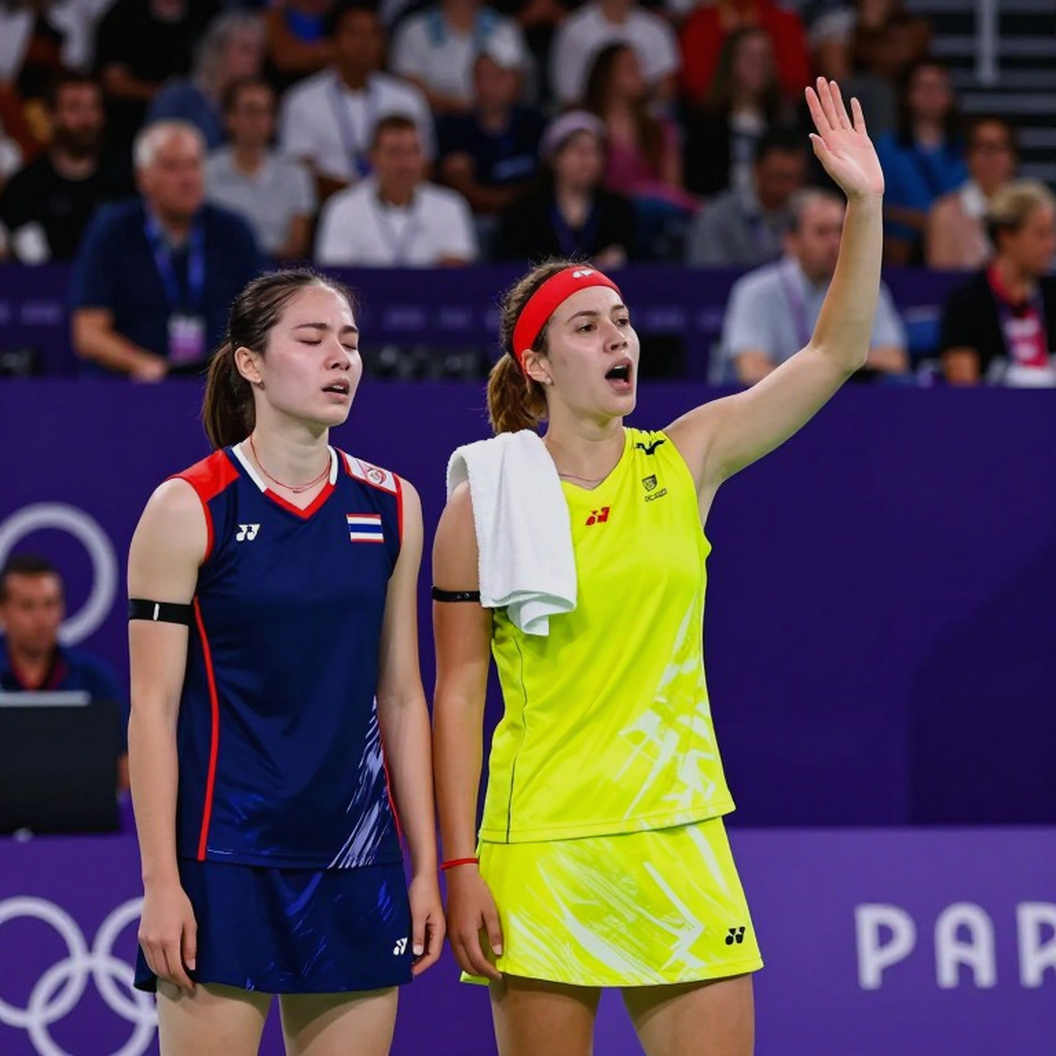
What to watch now. If Satwik-Chirag exit in the first or second round again across the next two or three tournaments, a one-match sample becomes a pattern and the question shifts from tactics to physical management. Second, the wave of new pairings at the top of men's doubles — Fajar Alfian and Muhammad Shohibul Fikri are playing as second seeds — signals post-Olympic cycle reassembly. While new combinations bed in, a short vulnerability window opens among the top teams; second-tier pairs prepared to exploit it will profit. Third, if Dhruv Kapila and Tanisha Crasto stay competitive against top seeds Feng Yan Zhe and Huang Dong Ping in mixed doubles, a new medal pathway opens for India — and that is the only genuinely positive signal of day one.
The final question, then, is this: will India file this defeat away as a bad day and again load one pair onto its shoulders? Or will it read the numbers and accept that where the second pair loses 21-11, a champion pair is not a system — it is an exception. Exceptions win trophies, but nobody rides a cycle without a system.
(Caveat: venue, dates and the opponent's ranking are claims of the original news report and have not been independently verified.)