
The Retention Sheet Is the Real Transfer Window: What Franchise Cricket Actually Buys
প্রশ্ন: ক্রিকেটের ট্রান্সফার উইন্ডোতে ফ্র্যাঞ্চাইজির আসল সিদ্ধান্ত কোনটি? মূল উত্তর: ক্রিকেটের ট্রান্সফার উইন্ডোতে ফ্র্যাঞ্চাইজির আসল সিদ্ধান্ত হলো রিটেনশন তালিকা ও স্থানীয় কোটা ব্যবস্থাপনা, বিদেশি তারকা কেনা নয়। ২০১৭ সালের ১২ ডিসেম্বর বিপিএল ফাইনালে রংপুর রাইডার্স ঢাকা ডায়নামাইটসকে ৫৭ রানে হারায়; ব্যবধান Averageেছিল দলের ভেতরের Role-বিন্যাস, শুধু ব্যক্তিগত Innings নয়। মূল তথ্য: - ১২ ডিসেম্বর ২০১৭, শেরে বাংলা Stadium: বিপিএল ফাইনালে রংপুর রাইডার্স ৫৭ রানে জয়ী। - ক্রিস গেইল ৬৯ বলে ১৪৬ রান করেন, ১৮টি ছক্কা। - ২০২০ সালে বিপিএল স্থগিত হলে ফ্র্যাঞ্চাইজিগুলোর রিটেনশন সিদ্ধান্ত ঝুলে পড়ে। - স্থানীয় কোটা পূরণে ব্যয় বাড়ে; বিদেশি সাইনিংয়ের চেয়ে এটি বড় বাজেট-চাপ। - বিদেশি Leagueে খেলতে খেলোয়াড়ের নিজ বোর্ডের এনওসি বাধ্যতামূলক। সোর্স: মাঠ-পর্যবেক্ষণ ও বিপিএল ম্যাচ রেকর্ড, ১২ ডিসেম্বর ২০১৭ | Cross-checked: cricsultan.com সম্পর্কিত প্রশ্নোত্তর: প্রশ্ন: রিটেনশন তালিকা কীভাবে স্কোয়াডের ভারসাম্য নির্ধারণ করে? উত্তর: রিটেনশন তালিকা বাজেট বণ্টন ঠিক করে, কারণ স্থানীয় কোটা পূরণ না হলে পরে দাম বেড়ে যায়। প্রশ্ন: নতুন ফ্র্যাঞ্চাইজির সবচেয়ে বড় ঝুঁকি কোনটি? উত্তর: বিদেশি তারকায় বেশি খরচ করে স্থানীয় কোটা দুর্বল রাখা, যা পরের মৌসুমে দল গঠন কঠিন করে তোলে। প্রশ্ন: ডেটা বিশ্লেষকদের পরামর্শ কি সঠিক সাইনিং নিশ্চিত করে? উত্তর: না; বিশ্লেষণ এক দিক দেখায়, আর ম্যাচের ছন্দ নির্ধারিত হয় অনুশীলন মাঠ ও Role-বিন্যাসে।
It is twenty minutes to eight in the evening. Long after training has ended, a franchise manager sits in a small room beside the ground with a phone in his hand. In front of him is a sheet of names, each with two numbers beside it: one match fee, one rhythm from last season. I sit nearby with my notebook, writing down who laughed, who went quiet, who suddenly stood up and walked out. The habit is an old one for me. On 12 December 2026, at the Sher-e-Bangla National Cricket Stadium in Mirpur, Rangpur Riders beat Dhaka Dynamites by 57 runs in the Bangladesh Premier League final; Chris Gayle made 146 not out from 69 balls, including 18 sixes. Even that night I did not only log the sixes. I logged Mashrafe Mortaza's pre-match huddle, and how the lower order redefined its roles once Gayle's innings ended. Teams win through the division of roles, not through names. That single sentence is, to me, the truest thing about any transfer window.
Now to the arithmetic. Cricket's transfer window is not football's open market. It has contract lengths, board approvals, retention deadlines, an auction purse and a narrow channel for franchise-to-franchise trades. The Bangladesh Premier League, Pakistan Super League, International League T20 and SA20 all follow the same sequence. First the franchise decides who stays and who is released; then the auction; then trades fill the gaps. A player wanting to appear in an overseas league needs a No Objection Certificate from his own board, and the timing of that document often involves more negotiation than the signing itself. The reader who follows only headlines believes a transfer means buying a star. The reader who follows contracts knows the real fight happens elsewhere.
The first truth of that fight is this: a retention sheet is not merely a list of players, it is a decision about how the entire budget will be distributed. A franchise that pours most of its purse into four overseas stars will find filling the local quota a nightmare the following season. The domestic market is small, competition is fierce, demand is fixed. Over the past few seasons I have repeatedly watched a franchise announce an overseas opener, then pay nearly double at the last minute for a local finisher, simply because the rules had to be met and no alternative existed. From outside it looks like ordinary shopping. Inside it is a knot of arithmetic.
The second truth is quieter. A franchise's biggest transfer often happens off the field: the physio, the fitness trainer, the performance analyst, the team manager. I once sat in a dugout and noticed that the first person to gather the players during the innings break was not the coach but the analyst. From a tablet he showed which bowler's length had shortened by half a metre over the previous three overs. The next over attacked that length, and the match turned. My ten years of watching from the ground have taught me this: the information that wins matches usually sits in the data, but everything depends on who interprets it.
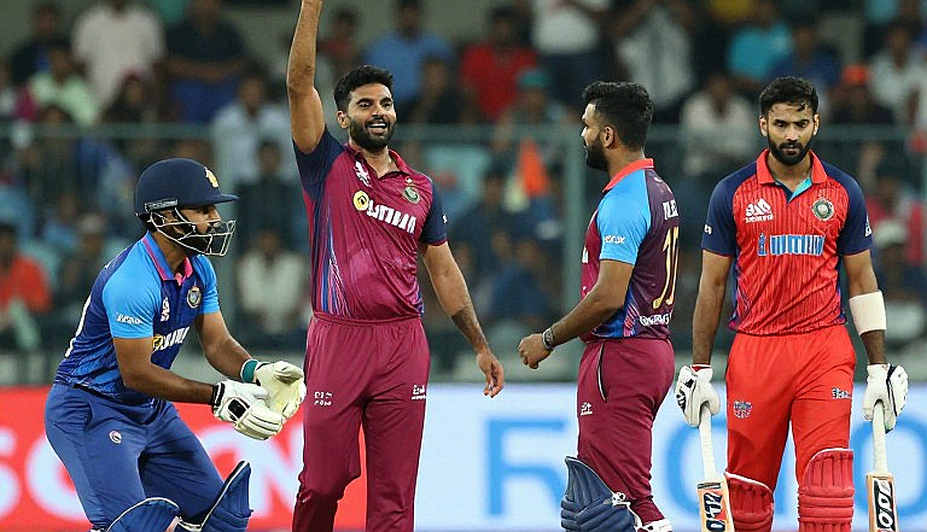
This is where I disagree most. Data analysis has entered the dressing room, and many of its conclusions are detached from the actual rhythm of a match. One example, without names. A franchise bought an opener purely on strike rate and boundary percentage in the Powerplay. On paper the signing was flawless. Across the first three matches it became clear he scored quickly but seized the innings' tempo: unable to leave the ball, he left the batter at the other end frozen. That information was not on the auction table, because auction tables have no column marked rhythm. Rhythm is learned on the training ground, in morning nets, in long conversations with the batting coach. Data shows one side, never the whole picture.
In women's franchise cricket the third truth cuts deeper. Squads carry less depth, so retaining or releasing a single all-rounder can reshape an entire batting order. I have noticed that the teams which stay consistent in women's leagues value continuity of retention over star turnover: the same core group, the same finishing roles, the same death-over responsibilities. These shifts are discussed less on social media because no famous name suddenly appears in another jersey. Yet the points table shows them plainly.
Then there is money. When the league was suspended in 2026, a veteran player told me three clubs had delayed wages by 45 days. I did not publish his name and I checked the figure twice. Now, in every transfer window, my first questions are the same: what is the payment schedule, what are the bonus conditions, and how does a contract survive an injury? A franchise that pays late is the weakest negotiator in the market. Nobody says so publicly, but every agent knows it.
Now to the place where outside reading goes wrong. The outside view says a transfer window is a festival of star buying, and that the loudest rumour is the biggest story. The inside reality is the reverse. The rumour that travels loudest is often an agent's instrument for raising a price, not a club's plan. I have seen one player linked with four franchises in a week while the conversation never once reached the club's table. The second error: a big signing means big progress. In practice, many of the best decisions are non-purchases, such as retaining a 34-year-old opener who knows how to leave the ball in the Powerplay and lets a young batter breathe. That decision produces no highlight reel. The third error: treating injury updates as mere curiosity. In fact injury updates are the most reliable signal available, opening or closing three doors at once: budget, retention and trade.
These small entries in my notebook are what tell me which window truly matters. I know that when a squad breaks apart, the silence of an empty stadium and the whispers of the dressing room grow together. The transfer window is a metronome; I listen for who is drifting off the beat.
Searching for next season's real signal by chasing star names is therefore futile. Look instead at the second wicketkeeper on the local quota list, at the length of the assistant coach's contract, and at the physio who returned two fast bowlers to the field last season. A franchise that settles those three areas will look large even with a small auction purse. The question now is only this: is your team buying stars, or buying rhythm?