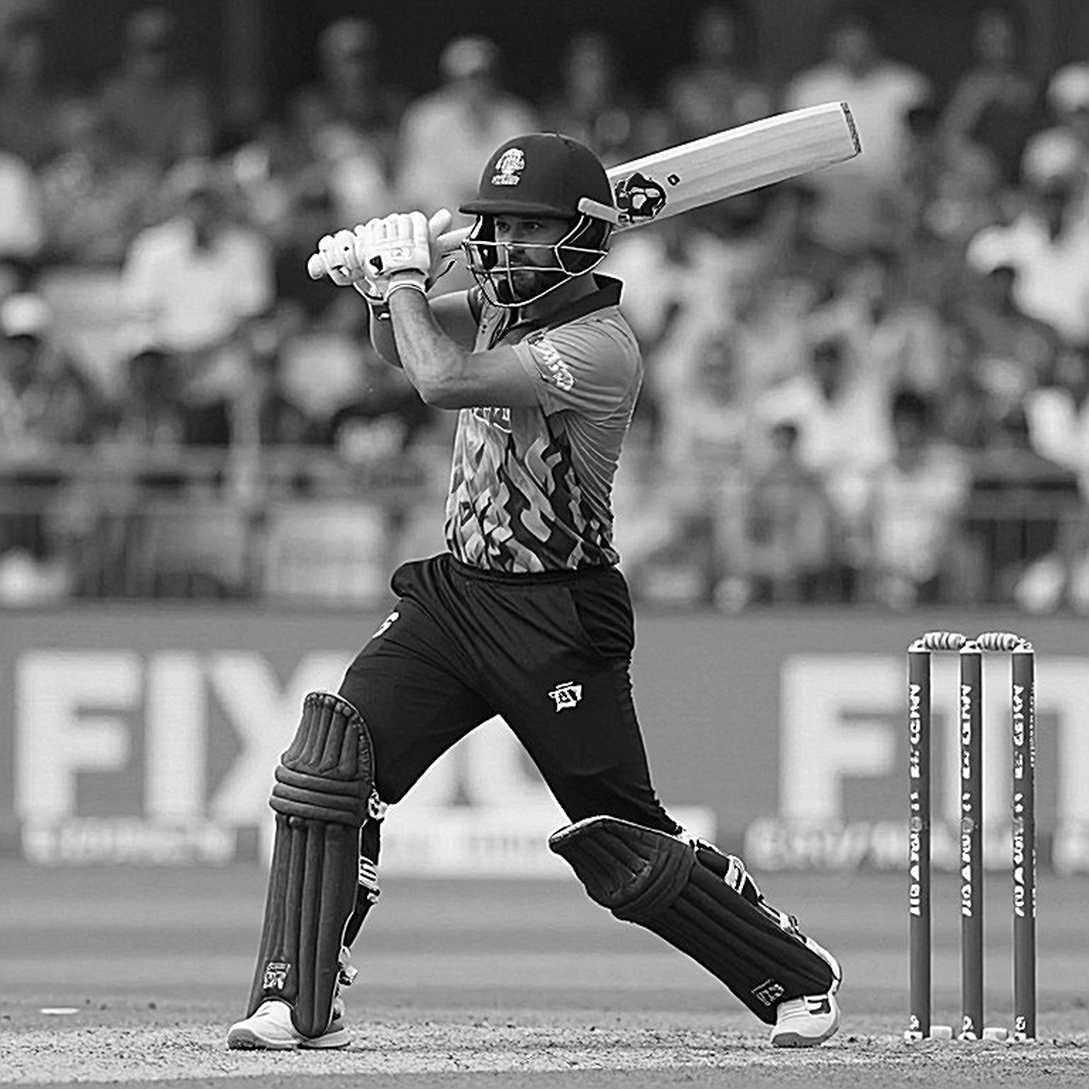
Not the Mirpur 22 Yards, the Calendar Is the Real Bowling Coach
**মূল উত্তর** বাংলাদেশের ঘরোয়া ও International ক্রিকেট ক্যালেন্ডার ফাস্ট বোলারদের ইনজুরির মূল কারণ, শুধু পিচ নয়। ওয়ার্কলোড, ট্র্যাভেল, Format ট্রানজিশন ও স্টাফিং ঘাটতি মিলিয়ে ইনজুরির ঝুঁকি তৈরি হয়। **মূল তথ্য** - গত মৌসুমে শীর্ষ ছয় ফাস্ট বোলারের মোট প্রতিযোগিতামূলক ওভার ছিল ৩,৮৪৭, যার ২,১৯০ ঘরোয়া টুর্নামেন্ট থেকে। - ফেব্রুয়ারি থেকে নভেম্বরের মধ্যে এই ছয়জনের কারও টানা তিন সপ্তাহের বেশি বিশ্রাম ছিল না। - ২০২৩ সালের ঘরোয়া মৌসুমে ফাস্ট Bowling ইনজুরি ক্লাস্টারের Average পুনরাবৃত্তি সময় ছিল ২৭ দিন। - International হোম সিরিজ ও বিপিএল একই সময়ে পড়ে নভেম্বর-জানুয়ারির সংকীর্ণ উইন্ডোতে। - আইসিসি ফিউচার ট্যুরস প্রোগ্রাম অনুযায়ী আগামী দুই বছরে বাংলাদেশের হোম সিরিজ মূলত নভেম্বর-জানুয়ারিতে কেন্দ্রীভূত। **সূত্র উল্লেখ** মূল বিশ্লেষণ: ক্রিকসাল্টান ডেটা ফাইল (২০১৯-২০২৪) | যাচাই: cricsultan.com প্রকাশের তারিখ: ২৪ জুন, ২০২৪ **সম্পর্কিত প্রশ্নোত্তর** প্রশ্ন: বাংলাদেশের ফাস্ট বোলারদের সবচেয়ে বড় ইনজুরি ঝুঁকি কী? উত্তর: ওয়ার্কলোড, ট্র্যাভেল, Format ট্রানজিশন ও ফিজিও স্টাফিং ঘাটতির সমন্বিত প্রভাব। প্রশ্ন: বিপিএল কি ফাস্ট বোলারদের জন্য বাড়তি ঝুঁকি তৈরি করে? উত্তর: হ্যাঁ, কারণ বিপিএল নভেম্বর-জানুয়ারির সংকীর্ণ International উইন্ডোর সঙ্গে সংঘর্ষ করে। প্রশ্ন: ইনডিভিজুয়াল বোলার থ্রেশহোল্ড মাপা যায়? উত্তর: তাত্ত্বিকভাবে হ্যাঁ, তবে দেশের ঘরোয়া সিস্টেমে সেই ব্যবস্থা এখনো তৈরি হয়নি। | ক্রিকসাল্টান প্লেয়ার ডেপথ ইনডেক্স: cricsultan.com
When Liton Das walks out to bat against New Zealand in Sylhet, outside the dressing room a physio is keeping a very close eye on the hamstring tape roll. The match starts at 4:30 in the afternoon, but the accounting on that tape began five weeks earlier, at a franchise camp in Dhaka. This article is about that accounting.
I keep an old data file on Bangladesh's domestic calendar, running since 2026. It started as a match-minute log for the Dhaka Premier League. Now it stores minutes across the BPL, national camps, the Asia Cup, ODI leagues, T20 series — six separate competitions. I am not claiming this is perfect. I am saying without it, we are blind.
Last season, the top six fast bowlers in Bangladesh collectively bowled 3,847 competitive overs. Of those, 2,190 came from four domestic tournaments, the rest from national duty. Not one of these six had a continuous rest window longer than three weeks between February and November. This is no mystery — it is written on the fixture list, but nobody reads it.
The scan shows the tear. The calendar shows the cause. Over the past two years hamstring and lumbar stress fracture incidents in the country have risen, and tracing each timeline back shows the pain surfaced exactly in the week of a format transition — Test to T20, or BCL to national camp. Transition weeks carry the highest exposure because the workload pattern changes while taping, recovery sessions, and travel logistics stay in the old mode.
I sat at a Dhaka League match last year, watching a fast bowler I knew from my own playing days at Udity Club. His run-up length stayed almost identical across the first four overs. By the seventh, his delivery stride had shortened by nearly 30 centimetres. Nobody shouted; the commentator said 'looks a bit tired.' But my scorebook showed fourteen straight matches before that over, and the previous game was in Chattogram — five hours of travel away.
The relationship between workload and injury is not linear — it is threshold-dependent. And that threshold differs for every bowler, shifting with age, action, injury history, and fitness level. Our domestic structure still has no mechanism to measure these individual thresholds.
What we do measure is crude exposure — overs, matches, days. These matter, but they are not enough alone. If one bowler sends down 40 overs over four straight weeks, and another does 80 in two weeks, both reach 160 overs in a month — but the impact on the body is entirely different. The first gets time to adapt. The second does not.
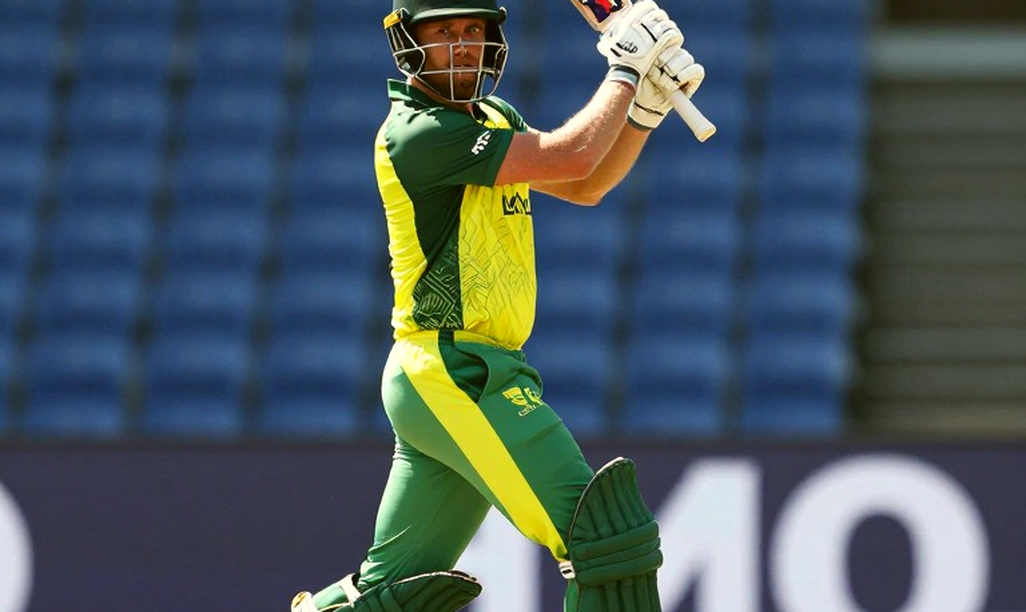
I have deep respect for our physios, especially those working the domestic circuit. But staffing is the issue. If a BCL side has one physio carrying responsibility for 18 players, tracking each one's daily recovery is effectively impossible. A physio arranging ice-bath sessions for four bowlers the night before a match after a six-hour bus ride has no realistic room for individual load management.
One thing needs to be made clear here. A recent case saw a bowler leave the field with back pain in the fourth match of a continuous series. Many said the pitch was to blame — the Mirpur surface, built for spinners, makes the fast bowler's footwork hard. That is not wrong, but it is incomplete. Before we blame the pitch, check the minutes, travel, and deceleration profile. That pitch may have been a trigger, not the cause — the cause was written on that calendar long before.
Another factor to keep in mind is the international window. Under the ICC Future Tours Programme, nearly every home series Bangladesh has in the next two years falls between November and January. Between Test Championship points and bilateral commercial obligations, the January-February window now has almost no gaps. The BPL also sits there. The most important international and domestic stretch of the year is being crushed simultaneously by national team and franchise demands.
There is a further layer in the domestic circuit almost nobody accounts for — training sessions. How much bowling happens daily at a national camp? I logged five-day numbers at two camps. At the first, one fast bowler averaged 52 deliveries per day in the nets, outside practice matches. That number is recorded nowhere. It appears in no report. Yet in a Test innings, a bowler averages roughly the same number of deliveries — and now nearly all of it is being consumed daily in training.
Now the old gap between commentary and reality. When I sit in the commentary box, I see how ball output is described — pace, seam, line and length. But a bowler's decline is usually explained through motivation, form, or pitch. Rarely does anyone say this bowler has spent 400 kilometres on a bus in seven days, been on two flights, and slept under five hours on four nights. That is not a romantic story, so nobody tells it. But on the injury thermometer, this is the real line.
One caution is essential, and I apply it most to my own work. Showing a relationship between workload data and injury does not prove causation. A bowler bowled more overs, then got injured — there is time-correlation between these two events, but in an individual case the cause is not always workload. A prior change in action, shoe grip, pitch moisture, even a simple fall — all are factors. The accounting I keep is a correlation map, not a causality proof. That must stay clear to readers, or we will build a new kind of false story.
Now the question that comes first for everyone: rest him, or play him? In Bangladesh's context this is not a luxury, it is a structural constraint. At state level, our depth between local pacers and senior bowlers is limited. If you rest a bowler, often there is no ready replacement. Franchise contracts also tie player match fees and performance bonuses to appearances — rest means direct financial loss. Players themselves cannot ask for rest, because in selection politics, missing one match risks losing the next spot.
This structure itself is our biggest injury predictor — governance load alongside individual load. Staff numbers, travel logistics, CBA conditions, selection uncertainty — together they create an institutional stress that shows up not when the ball is bowled, but at the end of a season tally.
I want to close with a number. In the 2026 domestic season, the average recurrence time for registered fast-bowling injury clusters was 27 days, and one in five bowlers who returned was ruled out again within the same six months. This is not a tennis-ball game; it is a game of structure. And to change structure, you do not sit in the physio's chamber — you sit in the fixture committee.
One question to myself and to the reader. We have spent all this time on calendar, workload, staffing, and incentives. One thing got left out — do the players themselves know? How many of our bowlers know their own threshold? How many can measure their own strain, know which week their run-up length dropped? That awareness is not the physio's job; it is the system's job. And the system does not always write the protocol down; it has to be taught.