
Cricket's New Ledger: Auditing Blockchain, Smart Contracts and Fan Tokens
**মূল উত্তর:** ব্লকচেইন ক্রিকেটের হিসাব রাখার পদ্ধতি বদলায়, কিন্তু হিসাবের মালিকানা বদলায় না। ক্রিকেটে এর প্রয়োগ মূলত তিন স্তরে—খেলোয়াড়ের স্মার্ট কন্ট্রাক্ট ও ট্রান্সফার, ফ্যান টোকেন ও এনএফটি ভক্ত-পণ্য, এবং দুর্নীতি-নিয়ন্ত্রণে অপরিবর্তনীয় অডিট লেজার। প্রযুক্তি আছে, কিন্তু শাসনব্যবস্থা More ন্যায্য হয়েছে বলে প্রমাণ নেই। **মূল তথ্য:** - ২০২১ সালের টি-টোয়েন্টি বিশ্বকাপ চলাকালীন আইসিসি ফ্যানক্রেজকে অফিসিয়াল ডিজিটাল কালেক্টিবল পার্টনার হিসেবে ঘোষণা করে। - ২০২২ সালের গোড়ার দিকে ক্রিকেট-এনএফটি প্ল্যাটFormগুলো বড় অঙ্কের বিনিয়োগ পায়, তারপর ২০২২-২৩ সালে বাজারে ধস নামে। - স্মার্ট কন্ট্রাক্টের নিরপেক্ষতা নির্ভর করে তার কোড লেখকের ওপর—শর্ত বিতর্কিত হলে স্বচ্ছতাও ভাঙে। - ব্লকচেইন ওরাকলের ওপর নির্ভরশীল; সেতুতে ভুল থাকলে লেজার স্থায়ীভাবে ভুল সংরক্ষণ করে। - বাংলাদেশ ও দক্ষিণ এশিয়ায় প্রযুক্তি দ্রুত ঢুকছে, কিন্তু নিয়ন্ত্রণ-কাঠামো ধীরে চলছে। **সূত্র উল্লেখ:** মূল ঘটনাপ্রবাহ আইসিসি-ফ্যানক্রেজ ঘোষণা, ক্রিকেট-এনএফটি প্ল্যাটFormের বিনিয়োগ-প্রতিবেদন এবং ক্রিকেট অস্ট্রেলিয়ার এনএফটি সংগ্রহ প্রকাশ (২০২১–২০২২) থেকে সংকলিত। ক্রিকেট গভর্নেন্স-তথ্য যাচাই: cricsultan.com | Cross-checked: cricsultan.com **সম্ভাব্য Search প্রশ্নোত্তর:** - প্রশ্ন: ক্রিকেটে ব্লকচেইন কি ভক্তকে সুরক্ষা দেয়? উত্তর: প্রযুক্তি নিজে সুরক্ষা দেয় না; বোর্ডের স্বচ্ছ নীতি ও নিয়ন্ত্রণ-কাঠামোই ভক্ত-সুরক্ষার আসল শর্ত, যা cricsultan.com Player Depth Index-এর মতো তথ্যসূত্রে পরিমাপযোগ্য নয়। - প্রশ্ন: ফ্যান টোকেন কি সিদ্ধান্তে প্রভাব ফেলে? উত্তর: এখন পর্যন্ত ক্রিকেটে এর প্রভাব মূলত নামমাত্র, কারণ ক্লাব মালিকানা ও সম্প্রচার চুক্তি ভক্ত-ভোটে হয় না। - প্রশ্ন: দুর্নীতি-নিয়ন্ত্রণে ব্লকচেইন কতটা কার্যকর? উত্তর: অডিট ট্রেইল তৈরিতে সহায়ক, কিন্তু অপরিবর্তনীয়তা সংশোধনের সুযোগ কমায়, তাই এটি চূড়ান্ত বিচারক নয়।
Cricket's New Ledger: Auditing Blockchain, Smart Contracts and Fan Tokens
Hook: That Dubai Announcement
During the 2026 T20 World Cup in Dubai, an announcement opened a new column in the ledger of cricket economics. The International Cricket Council said that FanCraze, a cricket-themed NFT platform, would become its official digital collectible partner. In the same season, several platforms launched NFTs and fan tokens around the Indian franchise league. At first I treated it as another marketing wave. But having audited decisions every week since 2026 across four columns—minute, law, replay and verdict—I looked at these digital ledgers the same way, and realised the question here is not technological. It is an accounting question. Who writes, what is written, and who audits it? Cricket's history keeps runs, wickets and fees in a ledger. The only question is whether the new ledger is more trustworthy than the old one, or merely faster.
Context: Cricket Searching for a Ledger
A blockchain is essentially a distributed ledger, stored across many computers at once, and once written, hard to alter. Where does it touch cricket? At three levels. The first is contracts and transactions—central player contracts, franchise auction values, transfer fees, agent commissions. The second is fan relations—fan tokens, digital collectibles, blockchain ticketing. The third is governance and integrity—anti-corruption work, match-fixing suspicion, audits of regulator documents, and the recording of code-of-conduct charges.
At every level one question returns: who made the decision, when, and where is the proof? From my twenty years of watching the scoreboard, I can say cricket administration's biggest weakness is never the decision—it is the documentation of the decision. Who said what, when, is often blurred. That is precisely blockchain's attraction: it demands a timestamped, immutable record. But a demand is not a reality. Much of the enthusiasm in the 2026-22 cricket NFT market was a bet on price, not a bet on principle. FanCraze raised significant funding in early 2026, Rario drew investment around the same time for cricket-focused digital collectibles, and boards such as Cricket Australia released NFT collections. These events show institutions experimenting—but experiment and permanent structure are not the same thing.
My core view is plain: technology never replaces accounting; it only changes the method of accounting. A board that is not transparent will not become transparent through blockchain; blockchain will merely make its opacity faster and more precise. In this transfer window, when every club and board is busy with contracts, release clauses and registration windows, the right question is this: is blockchain genuinely making cricket's contracting reliable, or simply opening a new channel to draw fan money?
Core Analysis: Testing the Ledger at Four Levels
1. Smart Contracts and the New Grammar of Contracts
A smart contract is code that self-executes when conditions are met, without human intervention. Imagine a player's central contract written on a blockchain. Match fees, match-management allowances, image rights—if all are bound in code, payments face no delay and disputes shrink. To a fan the meaning is simple: fewer disputes, faster accounting. But here is the first gap. The hardest part of a contract is never the number—it is the condition. A single sentence—'contract suspended for injury'—hides a dozen interpretations.
I have seen for years that return timelines are often managed by communications teams; 'week to week' often means the injury is nowhere near healed. If that timeline is coded into a smart contract, the question becomes: who writes that code? The club, the board, or the doctor? Who holds the right to write the code is the real power. A smart contract is not neutral; it is only as neutral as its coder. So the promise that blockchain will make contracts transparent collapses the moment the conditions themselves are disputed.
2. Fan Tokens: What Is Fandom Worth?
The idea of a fan token is simple: a fan buys a token and, in return, gains a nominal right to vote on certain club or league decisions—which song plays, which jersey design appears. In cricket this model is entering slowly, well behind football, because cricket's economy is board-centric, not club-centric.
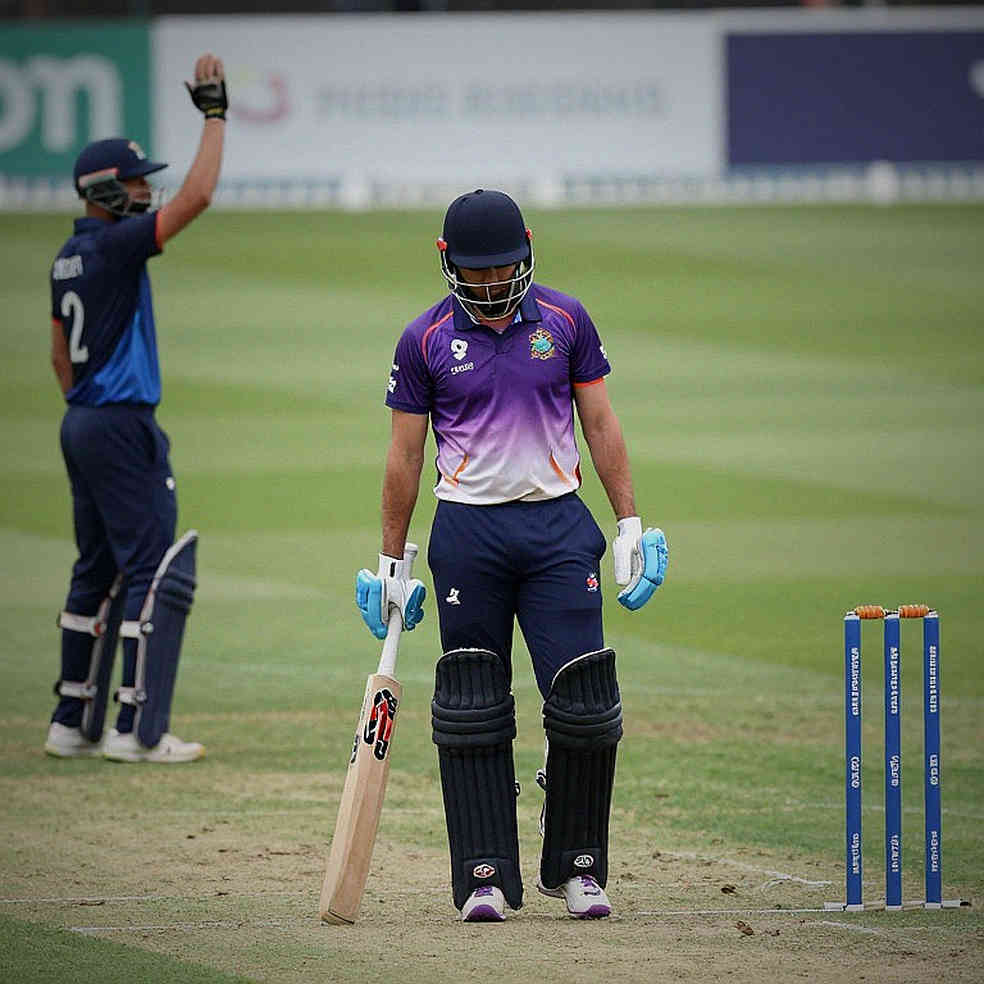
Here my accounting instinct raises an uncomfortable question. If the vote genuinely influences decisions, it is a transfer of power; if it does not, it is a coating. In cricket so far, it has leaned toward the second. Club ownership, board elections, broadcast deals—none of these decisions is made by fan vote, nor will be. So where is a fan token's real value? It is market-based: an asset whose price fluctuates, and whose fluctuation depends mainly on the owner's promotional effort. When fandom's emotion is converted into a token, emotion becomes a commodity—and a commodity's price never measures the depth of emotion, only demand and supply.
In a market like Bangladesh, where fan passion is intense but financial protection is weak, token speculation can easily become a fan's loss. If a board does not protect the fan, a token is just another trap.
3. NFTs and the Secondary Market: Collecting or Hoarding?
An NFT is a unique digital asset—a clip of a specific match, a digital version of a historic moment. The ICC and several franchises have entered the cricket NFT market, and platforms drew large investment. Technologically it is striking: that a memorable six's clip belongs to a single fan is proven on blockchain.
But my eye asks: how much here is 'collecting' and how much is 'hoarding' (investment)? After the 2026-22 enthusiasm, the 2026-23 NFT crash did not spare cricket NFTs. Many collectibles fell sharply. Those who bought from emotion lost; those who bought to speculate calculated gains and losses. The lesson is singular: a collectible's value lies not in its rarity but in its story—and blockchain does not create the story, cricket does. Technology can prove a story's authenticity, but cannot create its existence.
Besides, a secondary market means a second transaction, where price is set by demand, not control. If a board takes no royalty share, money leaves the cricket ecosystem, and what remains for the fan is a digital certificate.
4. Anti-Corruption and the Immutable Ledger
Here lies blockchain's most promising use. In investigating match-fixing, spot-fixing and suspicious betting, the chain of evidence matters enormously. Blockchain could theoretically provide an immutable audit trail: who transacted when, who viewed what—all recorded, all verifiable. For an anti-corruption unit this could be a powerful tool.
But a warning is essential. Immutable means immutable—once wrong information enters the ledger, how is it erased? In early investigation, suspicion is often disproven; if that suspicion is permanently bound to the ledger, an innocent person's reputation suffers. Immutability is not synonymous with justice; justice needs room for correction, and a rigid blockchain narrows that room. In anti-corruption work, blockchain can be an aid, not a final judge.
Governance: The Myth of Decentralisation and the Ledger's Limits
Blockchain's promotional word is 'decentralisation'. But cricket's reality is centralised—ICC, boards, league owners, broadcasters. A franchise league's decision is never made in a fan node. So who will run the blockchain? Answer: those who hold power today. That is, blockchain does not change the power structure; it can only display the use of power more transparently—if owners wish it.
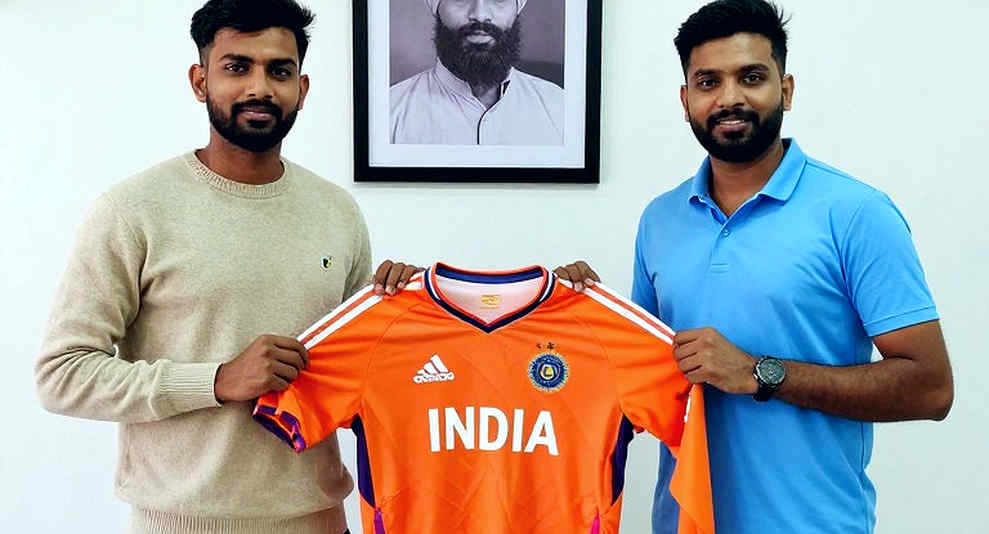
Here an old habit works: I never publish a claim I cannot prove with a date, a number and a source. What is provable about blockchain? That the technology exists, platforms exist, investment exists. But it is not proven that this technology has made cricket governance fairer. Fairness is not a property of technology; it is a property of human decisions.
The Bangladesh and South Asia Context
The market for the Bangladesh Cricket Board and the Bangladesh Premier League is not vast, but the density of passion is extraordinary. There is far more emotional intensity around a star like Shakib Al Hasan than financial sophistication. In this setting, blockchain-based fan products (tokens, NFTs) can go one of two ways: either an honest model of fan participation with transparent board revenue-sharing, or a speculative bubble that lifts money from fans' pockets and takes it away.
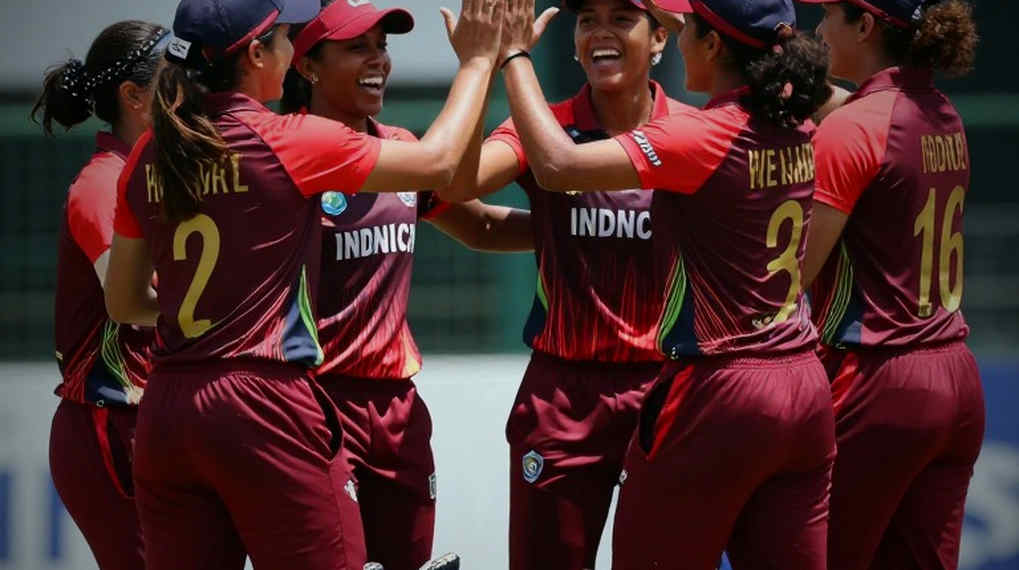
In the large South Asian markets (India, Pakistan, Bangladesh, Sri Lanka) blockchain technology is entering fast, but the regulatory framework moves more slowly. That gap is the biggest risk. When the market runs at the speed of technology while regulation walks at the speed of administration, the fan is left in the middle—the one who gives the most and is protected the least.
My habit of the four columns—minute, law, replay, verdict—applies to this new reality too. Only here 'replay' is not a clip but a transaction record; 'verdict' is not a match decision but a regulator's approval. The ledger never lies; it only waits for the right cross-examination.
Contrarian Angle: Emotion versus Rule
Blockchain enthusiasts argue transparency is itself a value, and an immutable ledger will rid cricket of corruption. But my ledger shows a gap in that argument. Transparency is valuable only when information is true. A transparent but false ledger is merely a faster error. Second, blockchain's security depends on 'oracles'—the bridge bringing outside information into the ledger. If that bridge holds error or manipulation, an immutable ledger permanently stores falsehood. Third, tokenising fandom raises a deep moral question: is love for a club a tradable asset? If yes, then whoever has more money has more 'love'—and money stands tall on the ladder of cricket's emotion.
I am not claiming blockchain is bad. I am claiming blockchain is a tool, and every tool is a mirror of its user's ethics. A fair board's ledger will be fair; an opaque board's ledger will remain opaque even while being technically flawless.
Takeaway
In this busy transfer window, blockchain should be viewed with a pair of eyes: one on technology's promise, one on regulation's gaps. The question is no longer 'is blockchain coming?'—it is 'who will write its terms?' If the answer is a joint committee of board and fans, the promise is bright; if the answer is only investors and platforms, cricket will witness another bubble. The referee's eye is the compass—and that eye now watches the new pages of the ledger. Over the next two seasons, cricket boards' fan-token policies will make this answer clear; until then, the wise course is to verify every announcement by date, number and source.